Bitcoin Plunges Below $87K as Crypto Weakness Deepens
Bitcoin plunges below $87K as crypto weakness deepens, sparking fears of further downside. Market signals, and what comes next.


The global cryptocurrency market has once again been shaken as Bitcoin plunges below $87K, intensifying fears that broader crypto weakness may be entering a more persistent phase. For investors who had hoped the flagship digital asset would stabilize after months of turbulence, this sudden drop serves as a stark reminder of Bitcoin’s inherent volatility and its sensitivity to shifting macroeconomic conditions. The move below such a psychologically important price level has triggered renewed debate about whether the market is facing a temporary correction or something more structurally concerning.
Bitcoin has long been regarded as both a speculative asset and a potential hedge against inflation and fiat currency debasement. However, the latest decline highlights how closely the cryptocurrency market remains tied to global liquidity conditions, investor risk appetite, and regulatory developments. As crypto weakness worsens, altcoins have followed Bitcoin lower, market sentiment has turned cautious, and trading volumes have spiked amid heightened uncertainty.
This article explores why Bitcoin plunges below $87K, what factors are driving the broader downturn in digital assets, and how investors and traders are responding. By examining macroeconomic pressures, on-chain signals, institutional behavior, and technical indicators, we aim to provide a comprehensive view of the current market environment. Whether you are a long-term holder, an active trader, or simply an observer of the crypto space, understanding the forces behind this decline is crucial for navigating what comes next.
Why Bitcoin Plunges Below $87K
The moment Bitcoin plunges below $87K, it sends shockwaves through the crypto ecosystem because such levels often act as psychological support zones. When these thresholds fail, they tend to accelerate selling pressure as traders rush to reassess their positions. This latest drop did not occur in isolation but rather as the result of several converging factors that have gradually weakened market confidence.
At its core, Bitcoin’s price reflects a balance between supply and demand shaped by sentiment, liquidity, and expectations. In recent weeks, uncertainty has dominated all three. Investors have grown increasingly cautious as global economic signals point toward tighter financial conditions, reducing the appetite for risk assets such as cryptocurrencies. As a result, even relatively small negative catalysts have had outsized effects on price action.
Another contributing factor is the unwinding of leveraged positions. During periods of optimism, traders often use leverage to amplify gains, but when prices move against them, forced liquidations can accelerate declines. The drop below $87K likely triggered a cascade of stop-loss orders and margin calls, reinforcing the downward momentum and amplifying the perception that crypto weakness is worsening.
Broader Crypto Market Feels the Impact
Altcoins Follow Bitcoin’s Lead
When Bitcoin plunges below $87K, the effects are rarely confined to Bitcoin alone. Altcoins, which generally exhibit higher volatility, tend to follow Bitcoin’s direction with amplified moves. As the market leader weakens, confidence across the broader crypto market erodes, leading to widespread declines in alternative digital assets.
Many altcoins rely heavily on speculative interest and liquidity flowing from Bitcoin. When that liquidity dries up, smaller projects often experience sharper sell-offs. This dynamic reinforces the idea that Bitcoin remains the primary driver of overall crypto market health, even as the ecosystem continues to diversify.
Market Sentiment Turns Risk-Off
The worsening crypto weakness has also shifted investor psychology. Fear and uncertainty have replaced optimism, as reflected in declining sentiment indicators and increased volatility. Retail investors, in particular, tend to react strongly to sudden price drops, which can exacerbate selling pressure during periods of stress.
Institutional participants, while generally more measured, are not immune to these shifts. Many funds manage risk exposure across asset classes, and when macroeconomic conditions deteriorate, crypto allocations are often among the first to be reduced. This collective move toward a risk-off stance has contributed significantly to the current downturn.
Macroeconomic Pressures Weigh on Bitcoin
Interest Rates and Liquidity Conditions
One of the most significant factors behind the recent decline is the global macroeconomic environment. Rising interest rates and tighter monetary policy reduce liquidity across financial markets, making it more expensive to borrow and less attractive to invest in high-risk assets. As a result, cryptocurrencies have struggled to attract sustained inflows.
Bitcoin’s narrative as a hedge against inflation has been tested during periods of aggressive monetary tightening. While long-term proponents argue that Bitcoin’s fixed supply makes it inherently deflationary, short-term price movements are often dominated by liquidity trends. When liquidity contracts, even assets with strong long-term fundamentals can face downward pressure.
Strength of the US Dollar
Another headwind has been the relative strength of the US dollar. A stronger dollar often correlates with weaker performance in risk assets, including cryptocurrencies. As global investors seek safety and yield, capital flows into dollar-denominated assets can drain liquidity from markets like crypto, reinforcing the trend where Bitcoin plunges below $87K amid broader financial tightening.
Technical Factors Behind the Breakdown
Key Support Levels Give Way
From a technical analysis perspective, the failure to hold above key support levels has played a critical role in the latest decline. Traders closely monitor these levels as indicators of market strength or weakness. When Bitcoin broke below $87K, it signaled that buyers were no longer willing or able to defend that price range.
This breakdown has led to increased selling from algorithmic trading systems and short-term traders who rely on technical signals. The resulting momentum has further validated bearish expectations, making it more difficult for Bitcoin to stage an immediate recovery.
Momentum Indicators Turn Bearish
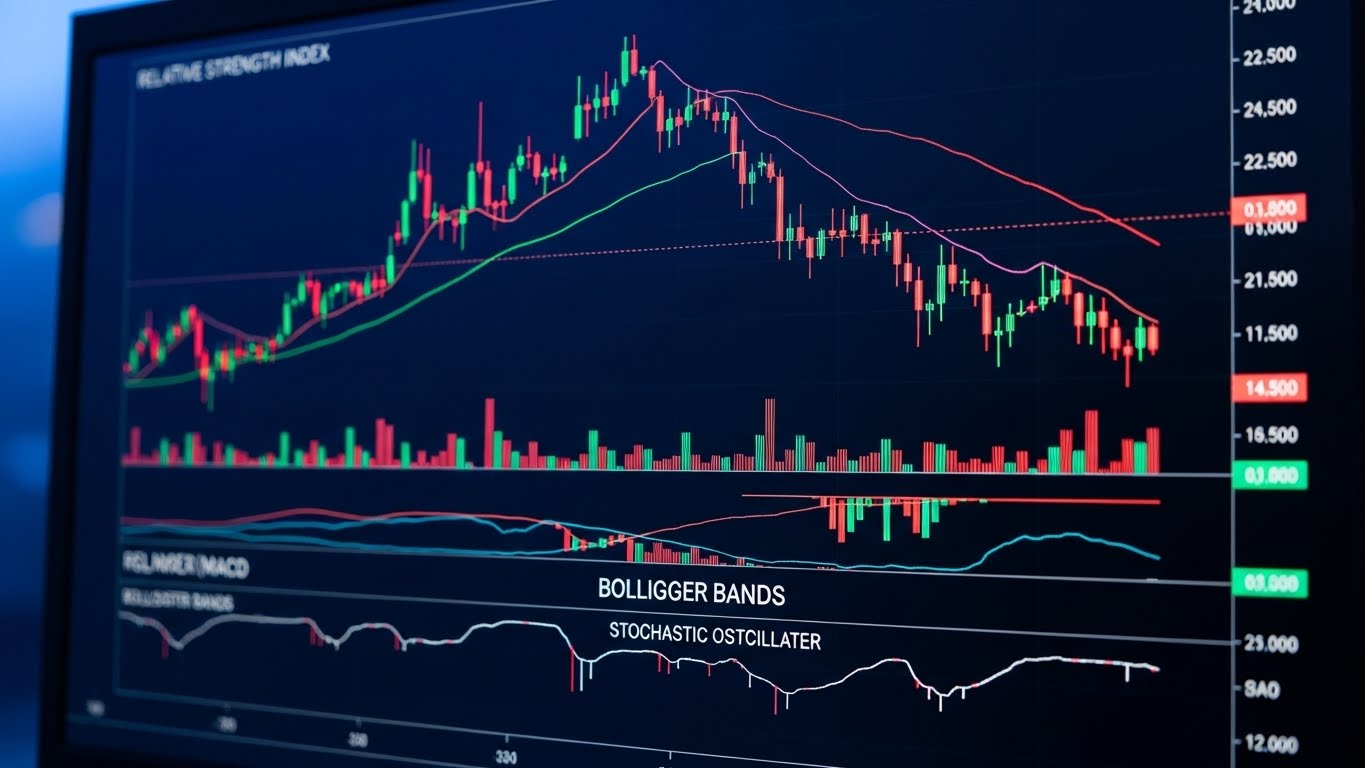
Technical indicators such as moving averages and momentum oscillators have also turned negative, reinforcing the narrative that crypto weakness is worsening. When these indicators align with broader macroeconomic concerns, they can influence trader behavior and extend downturns beyond what fundamentals alone might justify.
Long-Term Holders Show Resilience
Despite the sharp decline, on-chain data suggests that many long-term Bitcoin holders remain relatively unfazed. Historically, these participants tend to accumulate during periods of weakness, viewing price drops as opportunities rather than threats. Their behavior provides a stabilizing force, even as short-term traders exit positions.
However, the willingness of long-term holders to step in depends on broader confidence in Bitcoin’s future. If macroeconomic conditions continue to deteriorate, even this cohort may adopt a more cautious stance, potentially prolonging the current downturn.
Exchange Flows Signal Caution
Recent trends in exchange inflows and outflows indicate heightened caution among investors. Increased deposits to exchanges often precede selling activity, while withdrawals suggest accumulation. The mixed signals observed during this period reflect uncertainty rather than conviction, underscoring how fragile sentiment has become as Bitcoin plunges below $87K.
Institutional Perspective on the Decline
Risk Management Takes Priority
Institutional investors play an increasingly important role in the crypto market, and their behavior can significantly influence price dynamics. During periods of heightened volatility, risk management becomes paramount. This often means reducing exposure to assets perceived as volatile or correlated with broader market stress.
As crypto weakness worsens, institutions may delay new investments or rebalance portfolios away from digital assets. While this approach may limit downside risk for these players, it can also slow the pace of recovery by reducing demand.
Long-Term Adoption Still Intact
Despite short-term caution, many institutional investors remain optimistic about Bitcoin’s long-term prospects. Adoption trends in payments, custody solutions, and blockchain infrastructure continue to progress, suggesting that the current decline is more about market cycles than a fundamental rejection of the technology.
Regulatory Uncertainty Adds to Volatility
Evolving Policy Landscape
Regulatory developments continue to influence crypto markets, often amplifying volatility during uncertain periods. While clearer regulations can ultimately support adoption, the transition phase tends to create anxiety among investors. Concerns about compliance costs, restrictions, or enforcement actions can weigh on sentiment, contributing to scenarios where Bitcoin plunges below $87K.
Impact on Market Confidence

Uncertainty around regulation affects not only price but also participation. Some investors choose to remain on the sidelines until there is greater clarity, reducing liquidity and making the market more susceptible to sharp moves. This dynamic has been evident during the latest downturn, as caution has outweighed speculative enthusiasm.
Historical Context: Is This Different?
Comparing Past Corrections
Bitcoin has experienced numerous sharp corrections throughout its history, many of which were initially perceived as existential threats. In hindsight, these downturns often marked transitional phases rather than permanent declines. Comparing the current situation to past cycles provides valuable perspective, reminding investors that volatility is a defining feature of the asset.
However, each cycle unfolds within a unique macroeconomic and regulatory context. The current environment, characterized by tighter monetary policy and increased institutional involvement, differs significantly from earlier periods, making direct comparisons imperfect.
Lessons from Previous Market Stress
One consistent lesson from past downturns is the importance of patience and risk management. Investors who overextend during bull markets often face the greatest challenges when sentiment shifts. The fact that crypto weakness worsens during these phases underscores the need for disciplined strategies rather than emotional reactions.
What Comes Next for Bitcoin?
Potential Scenarios
Looking ahead, several scenarios could unfold. Bitcoin may find support at lower levels and enter a consolidation phase as the market digests recent losses. Alternatively, continued macroeconomic pressure could push prices lower before a more sustainable recovery emerges. Much will depend on global financial conditions, investor sentiment, and the behavior of large market participants.
A rapid rebound is also possible if confidence returns and liquidity improves. Historically, Bitcoin has shown the ability to recover quickly once selling pressure subsides, though timing such moves remains challenging.
Strategies for Navigating Uncertainty
For investors, the key is aligning strategies with risk tolerance and time horizon. Long-term participants may view the current decline as part of a broader adoption curve, while short-term traders must remain vigilant in managing risk amid heightened volatility. Regardless of approach, understanding why Bitcoin plunges below $87K provides valuable context for making informed decisions.
Conclusion
The moment Bitcoin plunges below $87K marks another pivotal chapter in the ongoing evolution of the cryptocurrency market. Driven by a combination of macroeconomic pressures, technical breakdowns, shifting investor sentiment, and regulatory uncertainty, the latest decline highlights both the risks and resilience inherent in digital assets. While crypto weakness has undeniably worsened in the short term, the broader narrative of adoption and innovation remains intact.
For investors and observers alike, this period serves as a reminder that volatility is not an anomaly but a defining characteristic of Bitcoin. Navigating such environments requires patience, discipline, and a clear understanding of the forces at play. Whether the market stabilizes soon or faces further turbulence, the lessons learned during this downturn will shape how participants approach the next phase of the crypto cycle.
FAQs
Q. Why did Bitcoin plunge below $87K so suddenly?
Bitcoin fell below $87K due to a combination of macroeconomic tightening, reduced liquidity, technical support breakdowns, and increased selling pressure from leveraged positions.
Q. Does this mean the crypto bull market is over?
Not necessarily. While crypto weakness has worsened in the short term, historical patterns suggest that sharp corrections can occur even within longer-term growth cycles.
Q. How are altcoins affected when Bitcoin drops?
Altcoins typically experience larger percentage declines when Bitcoin falls, as reduced confidence and liquidity spread across the broader crypto market.
Q. Are long-term Bitcoin holders selling?
On-chain data indicates that many long-term holders remain relatively resilient, though short-term traders have contributed significantly to recent selling.
Q. What should investors do during periods of high volatility?
Investors should focus on risk management, avoid over-leverage, and align their strategies with their time horizon and risk tolerance rather than reacting emotionally to price swings.