2026 Bitcoin Mining Outlook
Explore the 2026 Bitcoin Mining Outlook with insights on profitability, energy costs, regulation, and technology shaping the future of crypto mining.

The 2026 Bitcoin Mining Outlook arrives at a critical moment for the cryptocurrency ecosystem. After years of rapid expansion, regulatory scrutiny, and technological acceleration, Bitcoin mining is entering a phase that will likely determine which players survive and which fall behind. The industry has already absorbed the effects of the 2024 halving, endured periods of price stagnation, and adapted to rising energy costs. By 2026, these pressures converge into a new equilibrium that favors efficiency, scale, and strategic innovation.
Bitcoin mining is no longer a niche activity dominated by hobbyists. It has evolved into a capital-intensive, globally competitive industry where margins are thin and operational excellence matters more than ever. The 2026 Bitcoin Mining Outlook reflects a future where miners must balance hash rate growth with sustainability, regulatory compliance, and financial discipline. Those who succeed will likely shape the next decade of network security and decentralization.
As Bitcoin adoption matures and institutional involvement deepens, mining economics are changing. Transaction fees are becoming more important, hardware cycles are accelerating, and access to low-cost power is emerging as the ultimate competitive advantage. This article explores the 2026 Bitcoin Mining Outlook in detail, examining profitability trends, technological evolution, energy dynamics, regulatory developments, and long-term risks and opportunities. By understanding these factors, readers can gain a clearer picture of where Bitcoin mining is heading and how it may influence the broader crypto market.
The State of Bitcoin Mining Entering 2026
Post-Halving Economics and Network Dynamics
The most recent halving continues to shape the 2026 Bitcoin Mining Outlook in profound ways. With block rewards reduced, miners are earning fewer newly issued bitcoins for the same computational effort. This structural shift has intensified competition and placed renewed emphasis on efficiency. By 2026, the market has largely adjusted to lower issuance, but the aftershocks remain visible in miner balance sheets and network hash rate distribution.
Mining difficulty has steadily increased as more efficient machines come online, even as less competitive operators exit the market. This paradox reflects the relentless innovation cycle in Bitcoin mining hardware. Larger players with access to capital can upgrade faster, while smaller miners struggle to keep pace. As a result, hash rate concentration becomes a recurring theme in the 2026 Bitcoin Mining Outlook, raising questions about decentralization and network resilience.
At the same time, transaction fees are playing a more prominent role in miner revenue. While still volatile, fees increasingly supplement block rewards during periods of high network activity. This shift encourages miners to view Bitcoin not just as a store of value, but as a settlement network whose usage directly impacts mining profitability.
Mining Profitability in 2026: Margins Under Pressure
Revenue Streams Beyond Block Rewards
Mining profitability is at the heart of the 2026 Bitcoin Mining Outlook, and it is more complex than ever. Block rewards alone are no longer sufficient to guarantee sustainable margins. By 2026, successful miners rely on a diversified revenue profile that includes transaction fees, treasury management, and in some cases, ancillary services such as grid balancing.
Bitcoin price performance remains a critical variable. A strong market cycle can temporarily mask inefficiencies, while prolonged consolidation exposes weak cost structures. The 2026 Bitcoin Mining Outlook assumes a more mature price environment where extreme volatility is less frequent, placing greater emphasis on operational discipline rather than speculative upside.
Transaction fees are expected to gradually increase in importance as block rewards continue to decline over future halvings. This dynamic aligns miner incentives more closely with network usage, reinforcing Bitcoin’s long-term sustainability model. However, fee income is unpredictable, forcing miners to manage cash flow carefully and maintain adequate reserves.
Cost Structures and Break-Even Analysis
On the cost side, electricity remains the dominant expense. By 2026, miners with access to low-cost energy enjoy a decisive advantage. Break-even prices vary widely depending on geography, hardware efficiency, and financing terms. The 2026 Bitcoin Mining Outlook highlights a widening gap between top-tier operators and marginal players, with the latter increasingly vulnerable to price downturns.
Hardware depreciation is another critical factor. Rapid innovation shortens the useful life of mining rigs, forcing operators to amortize investments over shorter periods. This reality favors miners with strong balance sheets and access to favorable financing, further consolidating the industry.
Technological Evolution Shaping the 2026 Bitcoin Mining Outlook
Next-Generation ASIC Miners
Advances in ASIC mining technology are central to the 2026 Bitcoin Mining Outlook. Newer machines deliver higher hash rates with significantly improved energy efficiency, measured in joules per terahash. By 2026, these gains are incremental rather than revolutionary, but even small efficiency improvements can determine profitability at scale.
Manufacturers are also focusing on durability and thermal management, recognizing that uptime and reliability are as important as raw performance. Miners increasingly evaluate hardware based on total cost of ownership rather than headline specifications alone.
The pace of innovation creates a constant upgrade cycle, pressuring miners to time purchases strategically. Early adoption can provide a temporary edge, but overpaying for new equipment can erode returns if market conditions shift.
Immersion Cooling and Infrastructure Innovation
Infrastructure design is evolving alongside hardware. Immersion cooling has moved from experimental to mainstream, especially among large-scale operations. This technology allows miners to run machines at higher performance levels while reducing wear and tear. In the 2026 Bitcoin Mining Outlook, immersion cooling is seen as a competitive differentiator rather than a novelty.
Modular data centers and mobile mining units are also gaining traction. These solutions enable faster deployment and greater flexibility in response to energy market conditions. By reducing setup time and capital intensity, infrastructure innovation supports more agile mining strategies.
Energy Markets and Sustainability in Bitcoin Mining
The Search for Cheap and Reliable Power
Energy access defines the 2026 Bitcoin Mining Outlook more than any other factor. As competition intensifies, miners are increasingly drawn to regions with abundant renewable energy or surplus generation. Hydropower, wind, solar, and natural gas flare capture are all integral to modern mining strategies.
Grid dynamics are also influencing miner behavior. In some regions, miners participate in demand response programs, shutting down during peak demand to stabilize grids and earn additional revenue. This symbiotic relationship improves public perception and strengthens the case for mining as a flexible energy consumer.
However, energy price volatility remains a risk. The 2026 Bitcoin Mining Outlook assumes continued geopolitical uncertainty and fluctuating fuel costs, making long-term power contracts and hedging strategies essential for risk management.
Environmental Narratives and Public Perception
Sustainability remains a contentious issue. By 2026, the narrative around Bitcoin’s environmental impact is more nuanced. Data increasingly shows a growing share of renewable energy in mining, but public skepticism persists. The 2026 Bitcoin Mining Outlook suggests that transparency and verifiable reporting will be crucial in addressing criticism.
Miners that proactively communicate their energy mix and environmental initiatives are better positioned to engage with regulators and communities. Sustainability is no longer just an ethical consideration; it is a strategic imperative that influences access to capital and operational stability.
Regulation and Policy: A Global Patchwork
Jurisdictional Shifts and Compliance
Regulation plays a significant role in shaping the 2026 Bitcoin Mining Outlook. Different jurisdictions adopt divergent approaches, ranging from supportive frameworks to restrictive measures. This uneven landscape drives geographic redistribution of hash rate as miners seek favorable conditions.
Compliance costs are rising, particularly in regions with stringent environmental and financial reporting requirements. While these costs add pressure, they also create barriers to entry that protect established players. The 2026 Bitcoin Mining Outlook reflects an industry that is increasingly professionalized and integrated into traditional regulatory systems.
Policy uncertainty remains a challenge. Sudden changes in taxation or energy policy can disrupt operations, emphasizing the importance of diversification across multiple jurisdictions.
Institutionalization of Mining Operations
Institutional involvement in mining continues to grow. Publicly listed mining companies adhere to higher governance standards, improving transparency but also increasing scrutiny. This trend aligns with the broader maturation of the crypto sector and reinforces mining’s role as critical infrastructure within the Bitcoin network.
Institutional capital brings stability and scale, but it also raises concerns about centralization. The 2026 Bitcoin Mining Outlook balances these dynamics, recognizing both the benefits and risks of institutional dominance.
Hash Rate Trends and Network Security
Competition and Consolidation
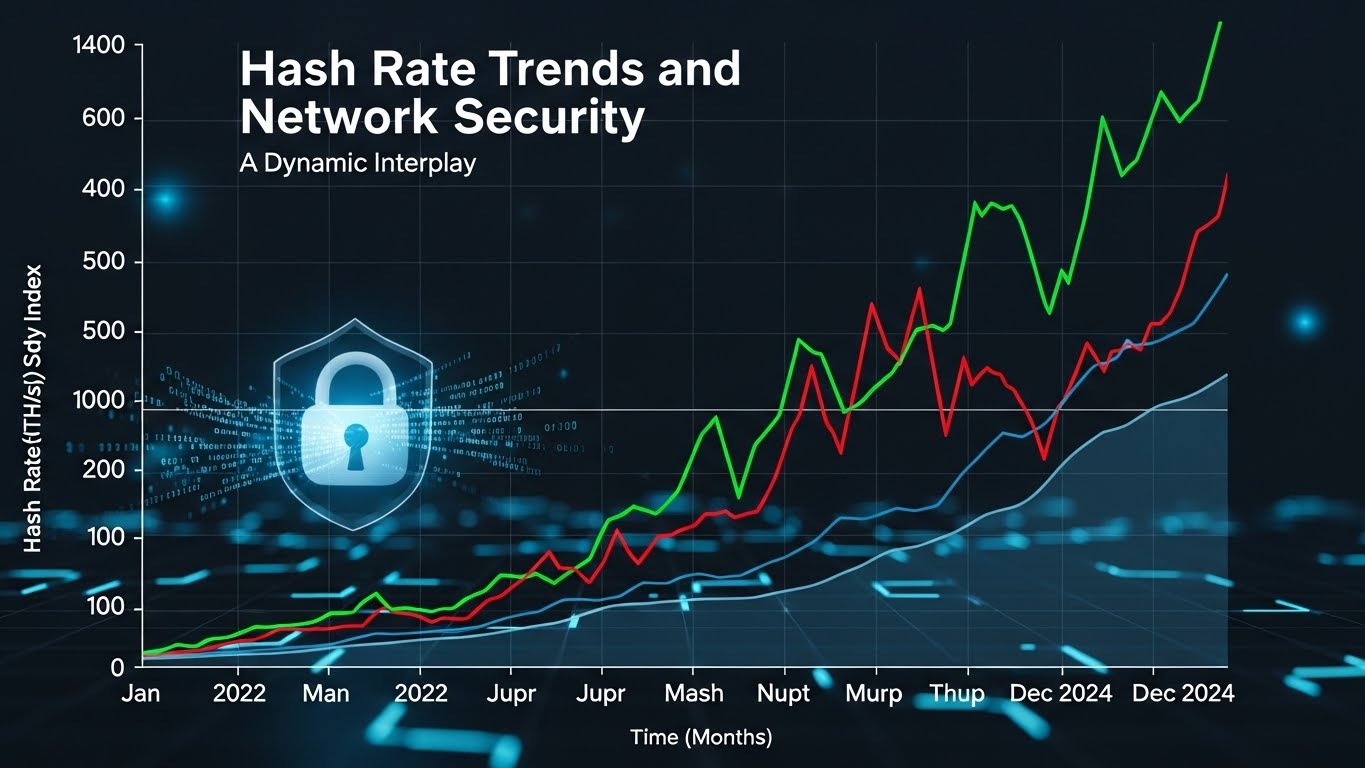
Network hash rate is a key indicator in the 2026 Bitcoin Mining Outlook. Despite periodic downturns, the long-term trend remains upward, reflecting continued investment in mining capacity. However, growth is increasingly concentrated among large operators, accelerating consolidation.
This concentration has implications for network security and decentralization. While higher hash rate enhances resistance to attacks, excessive centralization could undermine Bitcoin’s foundational principles. The 2026 Bitcoin Mining Outlook anticipates ongoing debate and innovation aimed at preserving decentralization within an economically competitive environment.
Resilience in Adverse Conditions
Bitcoin mining has proven resilient through multiple market cycles. By 2026, this resilience is institutionalized through better risk management, diversified revenue streams, and more sophisticated financial planning. Miners are better equipped to withstand price downturns, reducing the likelihood of sudden hash rate collapses.
Risks and Opportunities in the 2026 Bitcoin Mining Outlook
Market Volatility and Financial Risk
Price volatility remains an inherent risk. While Bitcoin markets are maturing, sharp corrections are still possible. The 2026 Bitcoin Mining Outlook emphasizes prudent treasury management, including hedging strategies and conservative leverage, as essential tools for survival.
Access to capital is another risk factor. Rising interest rates or tighter credit conditions can constrain expansion plans, particularly for highly leveraged operators.
Innovation and Strategic Advantage
Opportunities abound for miners willing to innovate. Integration with energy infrastructure, adoption of advanced cooling systems, and participation in emerging Bitcoin applications all offer potential upside. The 2026 Bitcoin Mining Outlook rewards adaptability and long-term vision over short-term speculation.
Conclusion: What the 2026 Bitcoin Mining Outlook Tells Us
The 2026 Bitcoin Mining Outlook paints a picture of an industry at a crossroads. Mining is more competitive, capital-intensive, and regulated than ever before, yet it remains a cornerstone of Bitcoin’s security and decentralization. Profitability in 2026 depends less on luck and more on efficiency, strategic planning, and access to resources.
As block rewards decline and transaction fees grow in importance, miners are evolving into sophisticated energy and infrastructure operators. Technological innovation continues to drive efficiency gains, while sustainability and regulation shape public perception and policy frameworks. The miners who thrive in 2026 will be those who embrace these realities and adapt accordingly.
Ultimately, the 2026 Bitcoin Mining Outlook reflects Bitcoin’s broader maturation. Mining is no longer just about chasing hash rate; it is about building resilient, sustainable operations that can endure across cycles and contribute to the long-term health of the network.
FAQs
Q: What makes the 2026 Bitcoin Mining Outlook different from previous years?
The 2026 outlook reflects a post-halving environment where efficiency, energy strategy, and regulation matter more than rapid expansion, marking a shift toward industry maturity.
Q: Will Bitcoin mining still be profitable in 2026?
Yes, but profitability will depend heavily on energy costs, hardware efficiency, and financial management rather than solely on Bitcoin price appreciation.
Q: How important are transaction fees for miners in 2026?
Transaction fees play a growing role in miner revenue, supplementing reduced block rewards and aligning mining incentives with network usage.
Q: Is Bitcoin mining becoming too centralized by 2026?
While consolidation is increasing, innovation in infrastructure and geographic diversification continues to support network resilience and decentralization.
Q: What should new miners consider before entering the market in 2026?
New entrants should carefully evaluate energy access, regulatory conditions, capital requirements, and long-term sustainability before committing resources.