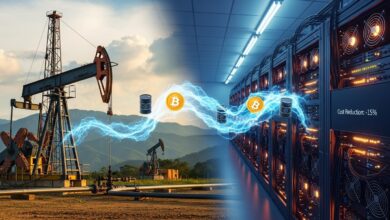
Bitcoin and Crypto Mining Push Reshaping the Global Digital Economy the rapid expansion of digital currencies has sparked a powerful Bitcoin and crypto mining push that is reshaping the modern financial and technological landscape. What once began as a niche experiment among cryptography enthusiasts has evolved into a global industry influencing energy markets, economic policies, environmental debates, and technological innovation. The Bitcoin and crypto mining push represents more than just the creation of new coins; it symbolizes a broader movement toward decentralization, financial sovereignty, and digital transformation.
As blockchain networks grow, mining remains the backbone that secures transactions, validates data, and maintains trust in decentralized systems. This push is driven by rising adoption of cryptocurrencies, institutional interest, advancements in mining hardware, and increasing awareness of blockchain’s long-term potential. At the same time, it raises questions about sustainability, regulation, and equitable access to resources. Understanding the dynamics of this shift is essential for investors, policymakers, businesses, and everyday users navigating the future of digital finance.
Bitcoin and Crypto Mining
What Is Crypto Mining and Why It Matters
Crypto mining is the process by which transactions are verified and added to a blockchain ledger. In the case of Bitcoin, miners use computational power to solve complex cryptographic puzzles, ensuring the integrity and security of the network. This process prevents double-spending and establishes consensus without relying on centralized authorities. The Bitcoin and crypto mining push has gained momentum because mining is fundamental to the trustless nature of blockchain systems.
Mining also serves as the mechanism through which new coins are introduced into circulation. Miners are rewarded for their efforts, creating an incentive structure that aligns individual profit with network security. This balance has allowed Bitcoin and other cryptocurrencies to operate independently of traditional banking systems, reinforcing their appeal as alternatives to fiat currencies.
Proof of Work and Its Role in Decentralization
Bitcoin mining relies on the Proof of Work consensus model, which requires miners to expend real-world energy to secure the network. This energy-backed security is a cornerstone of Bitcoin’s decentralization. The Proof of Work mining model ensures that no single entity can easily dominate the network, as doing so would require immense resources.
While other cryptocurrencies explore alternative models, Bitcoin’s continued reliance on Proof of Work highlights its commitment to security and immutability. The crypto mining push has therefore become closely tied to debates about energy use, innovation, and long-term sustainability.
The Global Expansion of the Mining Industry
Rise of Industrial-Scale Mining Operations
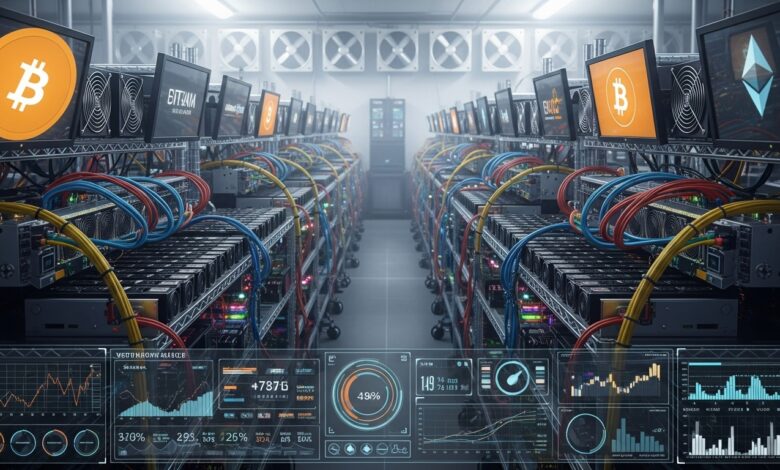
The Bitcoin and crypto mining push has led to the emergence of large-scale mining farms equipped with specialized hardware known as ASICs. These facilities operate around the clock, often located in regions with low electricity costs and favorable regulations. Countries with abundant renewable energy or surplus power have become hotspots for mining activity.
This industrialization has transformed mining from a hobbyist pursuit into a competitive global business. Mining companies now invest heavily in infrastructure, cooling systems, and energy optimization to remain profitable in an increasingly competitive environment. The scale of operations reflects the growing economic significance of the crypto mining sector.
Geographic Shifts in Mining Power
Mining power distribution has shifted significantly over the years due to regulatory changes and energy considerations. When certain regions imposed restrictions, miners relocated to jurisdictions offering stability and access to affordable power. This constant movement underscores the adaptive nature of the global crypto mining ecosystem.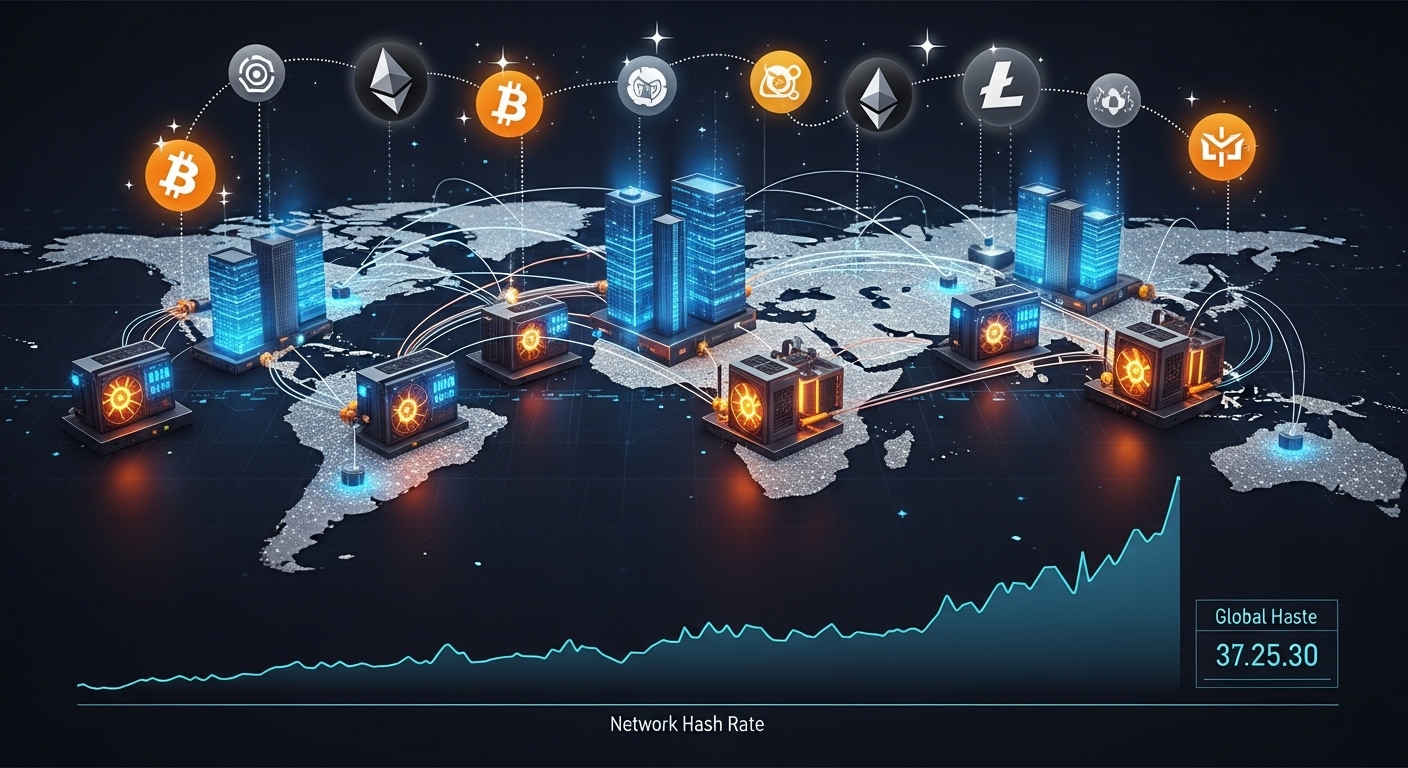
These geographic shifts also influence local economies. Mining operations can create jobs, stimulate infrastructure development, and attract technological expertise. As a result, the Bitcoin and crypto mining push has become intertwined with regional economic strategies.
Energy Consumption and Sustainability Debates
The Energy Demands of Crypto Mining
One of the most discussed aspects of the Bitcoin and crypto mining push is its energy consumption. Mining requires substantial electricity to power high-performance computing equipment. Critics argue that this demand strains power grids and contributes to carbon emissions, while supporters counter that mining incentivizes renewable energy development.
Energy usage is not inherently wasteful; it represents the cost of maintaining a decentralized and secure financial network. Comparisons with traditional banking systems reveal that all financial infrastructures consume energy, though in different forms. The debate centers on efficiency, transparency, and long-term environmental impact.
Transition Toward Renewable Energy
In response to criticism, many mining operations are transitioning toward renewable energy mining solutions. Hydropower, wind, solar, and geothermal energy are increasingly used to power mining facilities. This shift not only reduces environmental impact but also lowers operational costs over time.
The Bitcoin and crypto mining push has, in some cases, accelerated investment in renewable infrastructure. By providing a flexible and constant energy demand, miners can support energy projects that might otherwise be economically unviable. This evolving relationship between mining and clean energy is reshaping the sustainability narrative.
Economic Impact of the Crypto Mining Push
Job Creation and Local Economies
The expansion of mining operations has created new employment opportunities in engineering, data center management, electrical maintenance, and software development. Regions hosting mining facilities often experience economic stimulation through infrastructure investment and increased demand for local services.
Beyond direct employment, the Bitcoin and crypto mining push can attract complementary industries, including blockchain startups and technology research centers. This clustering effect enhances innovation and positions regions as digital economy hubs.
Mining as a Financial Opportunity
For individuals and institutions alike, mining represents a way to participate directly in the cryptocurrency economy. While barriers to entry have increased due to hardware costs, mining pools and cloud mining services offer alternative access points. The potential for long-term returns continues to attract interest, particularly during periods of rising crypto prices.
Mining profitability fluctuates based on market conditions, energy costs, and network difficulty. Despite these variables, the sustained growth of the crypto mining push reflects confidence in the future value of digital assets.
Regulatory Challenges and Government Responses
Evolving Legal Frameworks
Governments worldwide are grappling with how to regulate the Bitcoin and crypto mining push. Concerns range from energy consumption and environmental impact to financial oversight and taxation. Some countries embrace mining as a driver of innovation, while others impose restrictions or outright bans.
Clear and balanced regulation can provide certainty for miners and investors while addressing public concerns. Regulatory clarity is increasingly seen as a prerequisite for sustainable industry growth.
Mining and National Energy Policies
Mining’s interaction with national energy policies is complex. In regions with excess energy production, mining can act as a stabilizing force by absorbing surplus power. Conversely, in areas with limited resources, unregulated mining may strain infrastructure.
Policymakers are exploring ways to integrate mining into broader energy strategies, ensuring that the Bitcoin and crypto mining push aligns with national sustainability goals.
Technological Innovations Driving Mining Forward
Advancements in Mining Hardware
Technological progress plays a crucial role in the crypto mining push. New generations of mining hardware are more efficient, delivering higher hash rates with lower energy consumption. These innovations help offset rising network difficulty and reduce environmental impact.
Hardware optimization also extends equipment lifespan, making mining more sustainable and cost-effective. Continuous innovation ensures that the mining industry evolves alongside broader technological trends.
Software Optimization and AI Integration
Beyond hardware, software optimization is enhancing mining efficiency. Advanced algorithms, real-time monitoring, and AI-driven energy management systems allow miners to maximize output while minimizing waste. These tools contribute to smarter resource utilization and improved profitability.
The integration of artificial intelligence into mining operations exemplifies how the Bitcoin and crypto mining push intersects with cutting-edge technology.
Social and Ethical Considerations
Decentralization and Financial Inclusion
At its core, the Bitcoin and crypto mining push supports decentralization, enabling individuals worldwide to participate in a global financial system without intermediaries. This has profound implications for financial inclusion, particularly in regions underserved by traditional banking.
Mining helps maintain network neutrality, ensuring that no single authority controls transaction validation. This democratization of finance aligns with broader social goals of transparency and autonomy.
Addressing Environmental and Community Concerns
Responsible mining practices are essential to maintaining public trust. Engaging with local communities, investing in sustainable energy, and adhering to regulations can mitigate negative impacts. Ethical considerations are increasingly influencing how mining companies operate and present themselves.
As awareness grows, the industry faces pressure to demonstrate that the benefits of the crypto mining push outweigh its challenges.
The Future of Bitcoin and Crypto Mining
Long-Term Viability and Network Security
The future of the Bitcoin and crypto mining push depends on its ability to balance security, sustainability, and profitability. As block rewards decrease over time, transaction fees and efficiency gains will play a larger role in incentivizing miners.
Despite uncertainties, mining remains integral to Bitcoin’s security model. Continued innovation and adaptation suggest that mining will remain viable well into the future.
Integration With the Broader Digital Economy
Mining is increasingly interconnected with other aspects of the digital economy, including decentralized finance, data centers, and energy markets. This integration positions mining as a foundational component of digital infrastructure rather than a standalone activity.
As blockchain adoption expands, the relevance of mining will extend beyond cryptocurrency creation to encompass data integrity and decentralized computation.
Conclusion
The Bitcoin and crypto mining push represents a transformative force shaping the future of finance, technology, and energy. From securing decentralized networks to influencing global economic and environmental discussions, mining occupies a central role in the evolution of digital assets. While challenges related to energy use, regulation, and public perception persist, ongoing innovation and adaptation continue to redefine what mining can achieve.
As the industry matures, responsible practices and technological advancements will determine its long-term impact. Understanding the complexities of the crypto mining push allows stakeholders to engage thoughtfully with one of the most significant developments of the digital age.
FAQs
Q: How does the Bitcoin and crypto mining push influence global financial systems?
The Bitcoin and crypto mining push influences global financial systems by supporting decentralized networks that operate independently of traditional banks. Mining secures transactions and enables peer-to-peer value transfer, reducing reliance on centralized intermediaries. This shift challenges conventional financial models and encourages innovation in payment systems, monetary policy discussions, and cross-border transactions.
Q: Why is energy consumption such a major topic in crypto mining discussions?
Energy consumption is central to discussions about the Bitcoin and crypto mining push because mining relies on computational power that requires electricity. Critics focus on environmental impact, while supporters emphasize efficiency improvements and renewable energy adoption. The debate highlights broader questions about sustainability and the true cost of maintaining secure decentralized networks.
Q: Can crypto mining contribute positively to renewable energy development?
Yes, crypto mining can contribute positively by providing consistent demand for renewable energy sources. Mining operations often utilize excess or stranded energy, making renewable projects more economically viable. This synergy can accelerate clean energy investment and support grid stability when managed responsibly.
Q: How do regulations affect the growth of the crypto mining industry?
Regulations significantly impact the growth of the Bitcoin and crypto mining push by shaping where and how mining operations can function. Supportive regulations encourage investment and innovation, while restrictive policies may drive miners to relocate. Clear regulatory frameworks help balance economic benefits with environmental and social responsibilities.
Q: What does the future hold for Bitcoin and crypto mining?
The future of Bitcoin and crypto mining is likely to involve greater efficiency, increased use of renewable energy, and deeper integration with the digital economy. As technology evolves and networks mature, mining will continue to adapt, maintaining its role in securing blockchains while addressing sustainability and regulatory challenges.