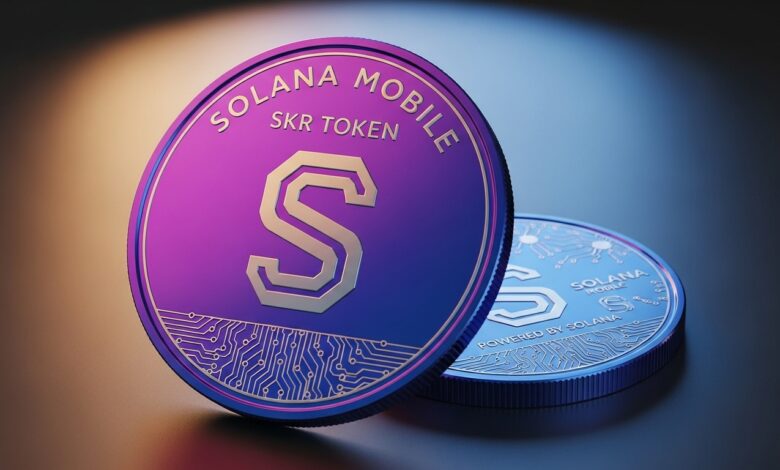
Solana Mobile’s SKR Token Finally Goes Live at a time when the blockchain industry is actively searching for real-world utility beyond speculation. For years, crypto projects have promised to bridge the gap between decentralized technology and everyday users, yet few have made meaningful progress in consumer hardware. Solana Mobile has been one of the rare exceptions, pushing the idea that Web3 should live directly in people’s pockets. The launch of the SKR token marks a defining chapter in that vision, signaling a deeper integration between mobile hardware, decentralized applications, and token-driven ecosystems.
The excitement around Solana Mobile’s long-awaited SKR token goes live is not simply about another digital asset entering the market. It reflects months of anticipation from developers, early adopters, and the broader Solana community, all of whom see SKR as a foundational element of a mobile-first Web3 economy. This token is designed to reward participation, incentivize developers, and create a sustainable loop between users and the Solana Mobile platform.
As blockchain adoption matures, the focus is shifting toward usability, accessibility, and tangible benefits. Solana Mobile’s approach challenges the traditional app store model, offering a decentralized alternative where users and builders share value more equitably. The SKR token launch is central to this strategy, acting as both an incentive mechanism and a governance tool. Understanding why Solana Mobile’s long-awaited SKR token goes live now, and what it means for the future of crypto-enabled smartphones, requires a closer look at the platform’s journey, token utility, and broader ecosystem impact.
Solana Mobile’s SKR Token
Solana Mobile was created to address a fundamental issue in the crypto space: mobile access to decentralized applications has historically been clunky, insecure, and fragmented. While desktop wallets and browser extensions flourished, mobile users were often left with limited options. Solana Mobile aimed to solve this by building smartphones that are natively optimized for Web3 interactions.
At the heart of this vision is the belief that blockchain technology should feel seamless, not intimidating. Solana Mobile devices integrate secure key storage, decentralized app discovery, and direct blockchain interaction at the operating system level. This design philosophy positions Solana Mobile as more than a hardware manufacturer; it is a gateway to the decentralized internet.
The moment when Solana Mobile’s long-awaited SKR token goes live represents the maturation of this vision. Instead of relying solely on hardware sales, the platform now introduces an economic layer that aligns incentives across users, developers, and the network itself. This token-centric approach mirrors the broader Web3 mobile ecosystem, where ownership and participation are rewarded directly rather than mediated by centralized corporations.
The Journey Toward the SKR Token Launch
The path to the SKR token launch has been gradual and deliberate. Solana Mobile initially focused on proving that a crypto-native smartphone could exist without sacrificing usability or security. Early devices showcased features such as seed vaults and native wallet integrations, drawing attention from blockchain enthusiasts worldwide.
As adoption grew, it became clear that hardware alone could not sustain long-term engagement. A tokenized incentive model was necessary to encourage app development, user participation, and ecosystem growth. This realization laid the groundwork for SKR, a token designed to unify the Solana Mobile experience.
When Solana Mobile’s long-awaited SKR token goes live, it reflects months of behind-the-scenes development, community feedback, and strategic planning. Rather than rushing a token to market, the team prioritized clear utility and integration. This careful approach aims to differentiate SKR from countless tokens that launch with hype but lack meaningful use cases.
The anticipation surrounding the launch also highlights the strength of the Solana community. Developers, investors, and users have closely followed updates, recognizing that SKR could become a cornerstone of Solana blockchain adoption on mobile devices.
What Is the SKR Token and Why It Matters
The SKR token is designed as the native utility and incentive token within the Solana Mobile ecosystem. Its primary purpose is to reward engagement, facilitate transactions, and empower decentralized governance. Unlike speculative tokens with vague roadmaps, SKR is tightly integrated into the platform’s functionality.
When Solana Mobile’s long-awaited SKR token goes live, users gain access to rewards for participating in the ecosystem, whether through app usage, feedback, or community contributions. Developers benefit from a fairer revenue model, where SKR enables direct monetization without excessive platform fees.
This token also plays a governance role, allowing holders to influence decisions related to platform upgrades, policies, and future development. Such decentralized governance aligns with the core principles of blockchain technology, reinforcing trust and transparency.
The importance of SKR extends beyond Solana Mobile itself. It demonstrates how crypto token utility can be embedded into consumer products, offering a blueprint for other blockchain projects seeking mainstream adoption.
How SKR Integrates With the Solana Ecosystem
Solana’s high-speed, low-cost blockchain provides the technical foundation that makes SKR viable at scale. Transactions on Solana are fast and inexpensive, enabling micro-rewards and frequent interactions without friction. This technical advantage is crucial for a mobile-centric token economy.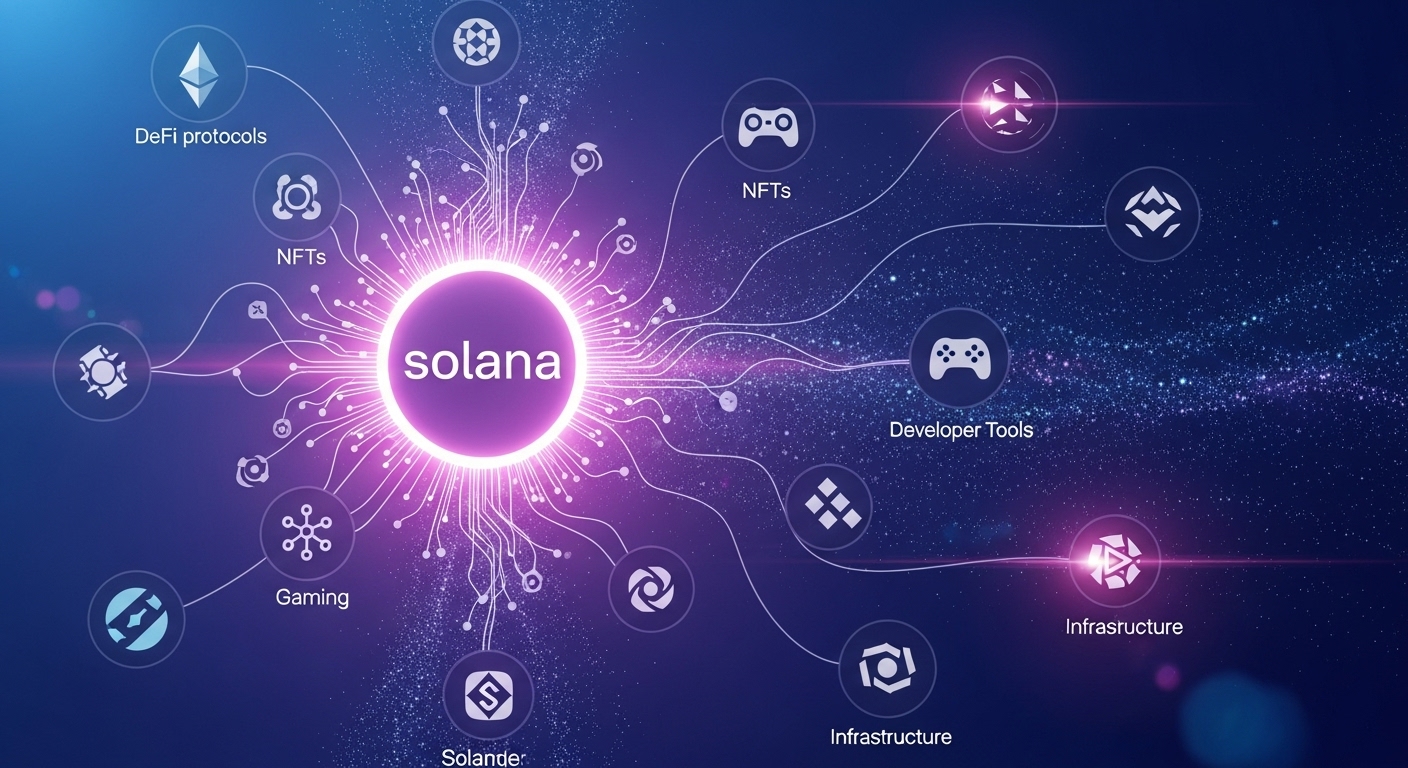
When Solana Mobile’s long-awaited SKR token goes live, it leverages Solana’s infrastructure to support seamless onboarding and everyday use. Users can interact with decentralized applications, earn rewards, and manage assets directly from their devices.
This integration also strengthens the broader Solana ecosystem. Developers building on Solana gain access to a dedicated mobile user base, while users benefit from a growing library of optimized applications. The SKR token acts as a bridge, aligning incentives across these stakeholders.
In this context, SKR is not an isolated asset but a catalyst for Solana ecosystem growth, reinforcing the network’s position as a leader in scalable blockchain solutions.
Developer Opportunities Enabled by SKR
Developers are a critical audience for Solana Mobile, and SKR is designed with them in mind. Traditional app stores impose high fees and restrictive policies, limiting innovation and profitability. Solana Mobile offers an alternative where developers retain greater control over their creations.
When Solana Mobile’s long-awaited SKR token goes live, developers gain access to new monetization models. They can earn SKR through app downloads, user engagement, and community support. This creates a more direct relationship between builders and users, fostering innovation.
The token also incentivizes experimentation. Developers can launch niche applications without worrying about prohibitive costs, knowing that the ecosystem rewards creativity and value creation. This environment encourages the development of decentralized mobile apps that might otherwise struggle in traditional marketplaces.
By aligning developer incentives with platform growth, SKR strengthens the entire Solana Mobile ecosystem, ensuring a steady flow of high-quality applications.
User Experience and Incentives on Solana Mobile
For users, the SKR token transforms the smartphone experience into a participatory ecosystem. Instead of passively consuming apps, users are rewarded for engagement, feedback, and community involvement. This shift empowers users, making them active stakeholders rather than mere customers.
When Solana Mobile’s long-awaited SKR token goes live, users can earn rewards simply by exploring the ecosystem. These incentives encourage experimentation with decentralized applications, accelerating adoption and education.
The seamless integration of SKR into the mobile operating system ensures that rewards feel natural rather than intrusive. Users do not need deep technical knowledge to participate, lowering the barrier to entry for newcomers to blockchain technology.
This user-centric approach exemplifies the potential of mobile crypto adoption, where incentives and usability work hand in hand to drive growth.
Security, Trust, and Decentralization
Security remains a top concern in the crypto space, particularly on mobile devices. Solana Mobile addresses this through hardware-level security features and robust software design. The introduction of SKR does not compromise these principles; instead, it enhances them.
When Solana Mobile’s long-awaited SKR token goes live, security mechanisms ensure that token interactions are protected from common vulnerabilities. Users maintain control over their private keys, reinforcing the decentralized ethos of the platform.
Trust is further strengthened through transparency. The token’s role in governance allows the community to participate in decision-making, reducing reliance on centralized authority. This balance between usability and decentralization sets Solana Mobile apart in a crowded market.
Market Impact and Industry Implications
The launch of SKR has implications beyond Solana Mobile. It signals a broader trend toward integrating blockchain incentives directly into consumer hardware. As smartphones become gateways to Web3, tokenized ecosystems like SKR may become increasingly common.
When Solana Mobile’s long-awaited SKR token goes live, it challenges traditional app store economics and highlights the potential of decentralized alternatives. This shift could influence how other tech companies approach mobile platforms and digital ownership.
Industry observers view SKR as a test case for sustainable token economies. If successful, it may inspire similar models across different blockchains and devices, accelerating the mainstream adoption of Web3 smartphones.
Challenges and Considerations
Despite its promise, the SKR token faces challenges. User education remains critical, as many consumers are unfamiliar with blockchain concepts. Solana Mobile must balance innovation with simplicity to avoid alienating mainstream users.
Market volatility also poses risks. Token value fluctuations can impact user perception and developer incentives. Careful economic design and transparent communication will be essential to maintain confidence.
When Solana Mobile’s long-awaited SKR token goes live, its long-term success will depend on consistent utility, community engagement, and ongoing development. Addressing these challenges proactively will determine whether SKR becomes a lasting pillar of the ecosystem.
The Future of Solana Mobile and SKR
Looking ahead, SKR is poised to play a central role in Solana Mobile’s roadmap. Future updates may expand token utility, introduce new reward mechanisms, and deepen integration with decentralized applications.
The launch represents a starting point rather than a conclusion. As the ecosystem evolves, SKR can adapt to emerging trends and user needs. This flexibility is crucial in the rapidly changing blockchain landscape.
When Solana Mobile’s long-awaited SKR token goes live, it opens the door to a new era of mobile-first Web3 experiences. The success of this initiative could redefine how people interact with blockchain technology on a daily basis.
Conclusion
Solana Mobile’s long-awaited SKR token goes live as a milestone that encapsulates the platform’s vision of a decentralized, user-centric mobile ecosystem. By aligning incentives across users, developers, and the broader Solana network, SKR represents a meaningful step toward mainstream blockchain adoption.
The token’s integration into mobile hardware, emphasis on utility, and commitment to decentralization distinguish it from many speculative launches. While challenges remain, the thoughtful design and strong community support surrounding SKR suggest significant potential.
As the crypto industry continues to evolve, Solana Mobile’s approach offers valuable insights into how blockchain technology can move beyond theory and into everyday life. The SKR token is not just a new asset; it is a statement about the future of mobile Web3.
FAQs
Q: What makes the SKR token different from other crypto tokens launching today?
The SKR token stands out because it is deeply integrated into a real consumer product rather than existing solely as a speculative asset. Its primary purpose is to support the Solana Mobile ecosystem by rewarding users, empowering developers, and enabling decentralized governance. This practical utility gives SKR a clear role within a functioning platform, which differentiates it from many tokens that launch without defined use cases.
Q: How does the launch of SKR benefit everyday smartphone users?
When Solana Mobile’s long-awaited SKR token goes live, everyday users gain the ability to earn rewards simply by engaging with decentralized applications and participating in the ecosystem. This turns routine smartphone usage into an interactive experience where users are directly compensated for their involvement, making blockchain technology more approachable and rewarding.
Q: Why is SKR important for developers building on Solana Mobile?
SKR provides developers with alternative monetization models that are not constrained by traditional app store fees. By earning tokens through engagement and community support, developers can focus on innovation and quality. This creates a more sustainable environment for building decentralized mobile applications within the Solana ecosystem.
Q: Does the SKR token contribute to decentralization and governance?
Yes, SKR plays a role in decentralized governance by allowing token holders to participate in decision-making related to the Solana Mobile platform. This ensures that the ecosystem evolves based on community input rather than centralized control, reinforcing the core principles of blockchain technology.
Q: What does the SKR launch mean for the future of Web3 mobile adoption?
The launch of SKR signals a shift toward mobile-first blockchain ecosystems where incentives, usability, and ownership are tightly integrated. It demonstrates that Web3 can move beyond niche audiences and become part of everyday technology, potentially accelerating widespread adoption of decentralized mobile platforms.