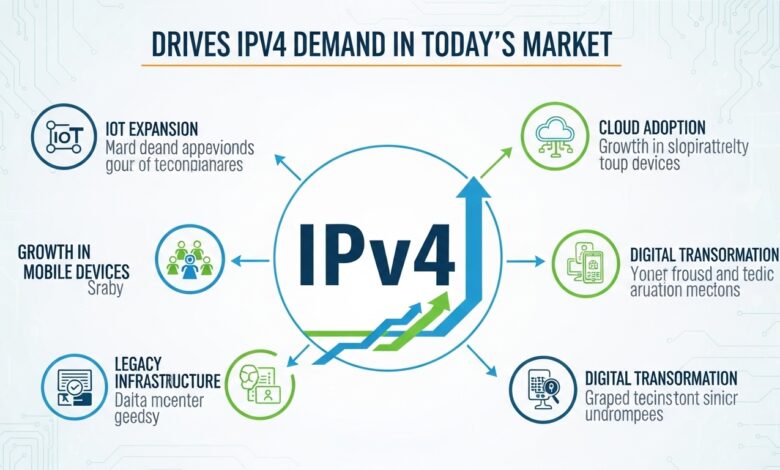
Drives IPv4 Demand in Today’s Market Explained the internet was built on a foundation that few people ever think about IP addresses. Every device that connects to the internet needs an IP address to communicate with others. For decades, the dominant protocol has been IPv4, which uses a 32-bit address format. At the time it was designed, IPv4 seemed more than sufficient. However, the explosive growth of the internet, smartphones, cloud computing, and connected devices has exhausted the available pool of IPv4 addresses.
Despite the introduction of IPv6, which offers a vastly larger address space, demand for IPv4 continues to rise. Organizations around the world are actively buying, selling, and leasing IPv4 addresses to keep their operations running smoothly. The IPv4 market, IP address scarcity, IPv4 address leasing, and IP address trading have become major topics in the networking and technology industries.
Understanding what drives IPv4 demand today requires looking at both technical and economic factors. Businesses, service providers, and cloud platforms still rely heavily on IPv4 infrastructure, and the transition to IPv6 has been slower than many expected. As a result, IPv4 addresses have turned into valuable digital assets, with a thriving secondary market emerging around them.
Drives IPv4 Demand in Today’s Market
One of the primary reasons behind IPv4 demand is its limited supply. IPv4 uses a 32-bit addressing system, which allows for approximately 4.3 billion unique addresses. While this number once seemed enormous, it has proven insufficient for a world with billions of internet users and devices.
The IPv4 exhaustion issue became official when regional internet registries began running out of available address blocks. As more organizations connected to the internet, the available pool shrank rapidly. Today, most new companies cannot obtain IPv4 addresses directly from registries. Instead, they must acquire them through the IPv4 transfer market or lease them from existing holders.
This scarcity has created a supply-and-demand dynamic similar to real estate. IPv4 addresses are now considered digital property, and organizations treat them as strategic assets. The finite nature of the IPv4 address pool ensures that demand remains strong, especially as the internet continues to expand.
Growth of Cloud Computing and Data Centers
The rise of cloud computing has dramatically increased the need for IPv4 addresses. Major cloud providers host millions of virtual machines, applications, and services for businesses around the world. Each service, instance, or customer environment often requires one or more IP addresses.
The rapid expansion of cloud infrastructure, data center networking, and virtualized environments has intensified IPv4 demand. Even when technologies like network address translation (NAT) are used to conserve addresses, there is still a need for publicly routable IPv4 addresses for many services.
Cloud providers also compete on performance, reliability, and accessibility. To ensure seamless connectivity for customers, they often need large blocks of IPv4 addresses. This drives them to participate actively in the IPv4 address marketplace, where they buy or lease additional address space.
Slow Adoption of IPv6
IPv6 was introduced to solve the address exhaustion problem by providing a virtually unlimited address space. However, the transition from IPv4 to IPv6 has been slow and uneven across regions and industries.
One reason is the cost and complexity of migration. Upgrading network infrastructure, software, and hardware to support IPv6 can be expensive and time-consuming. Many organizations also operate legacy systems that are not fully compatible with IPv6.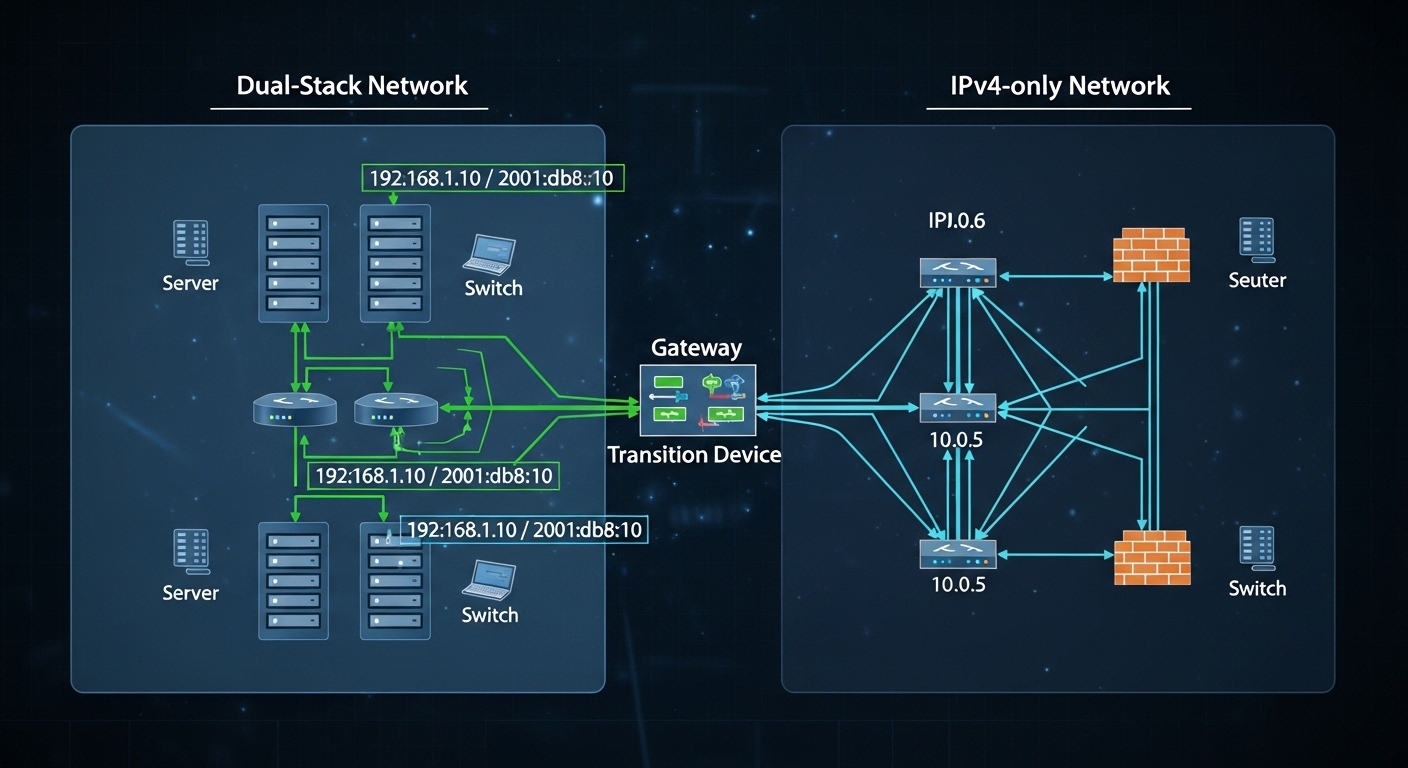
As a result, businesses continue to rely on IPv4 compatibility, dual-stack networking, and IPv4-only environments. These setups allow organizations to maintain their existing systems without undergoing a full transition to IPv6. This dependence keeps IPv4 demand high, even as IPv6 adoption gradually increases.
Expansion of Internet Service Providers
Internet service providers play a major role in driving IPv4 demand. As more people around the world gain internet access, ISPs must allocate IP addresses to new customers. In many developing regions, internet adoption is still growing rapidly.
The increase in broadband subscriptions, mobile internet users, and ISP network expansion means more devices require IP addresses. Even with the use of carrier-grade NAT, providers still need a significant number of public IPv4 addresses to manage their networks effectively.
Many ISPs turn to the IPv4 leasing market to meet their needs. Leasing allows them to obtain address space quickly without making large upfront investments. This practice has become common, especially among smaller or rapidly growing providers.
Rise of Connected Devices and IoT
Another factor driving IPv4 demand is the explosion of connected devices. Smartphones, tablets, smart home products, and industrial IoT devices all require internet connectivity. Each of these devices contributes to the overall demand for IP addresses.
Although many IoT deployments use private addressing and NAT, there is still a need for public IPv4 addresses at gateways, servers, and service endpoints. The growth of Internet of Things networks, smart devices, and connected infrastructure continues to put pressure on the IPv4 address pool.
As industries adopt automation and smart technologies, the number of connected devices is expected to increase dramatically. This trend ensures that IPv4 demand remains strong, particularly in sectors that rely on established IPv4-based systems.
The Emergence of the IPv4 Secondary Market
With the exhaustion of new IPv4 allocations, a secondary market has developed where organizations can buy, sell, or lease address space. This IPv4 trading market has grown into a multi-million-dollar industry.
Companies that obtained large IPv4 allocations years ago now hold valuable assets. Some of these organizations no longer need their full address blocks and choose to sell or lease them to others. This creates a dynamic marketplace where prices are influenced by supply, demand, and regional needs.
The IPv4 address valuation, IP address brokerage, and IPv4 asset management industries have emerged to facilitate these transactions. Brokers help match buyers and sellers, while consulting firms assist organizations in managing and monetizing their address resources.
Cost Factors and Investment Potential
The increasing value of IPv4 addresses has turned them into investment assets. As supply remains limited and demand continues to grow, prices have steadily risen over the years.
Organizations now consider IPv4 address investment, IP asset monetization, and network resource valuation as part of their financial strategies. Some companies purchase IPv4 blocks not only for operational use but also as long-term investments.
This financial aspect further drives demand. When organizations view IPv4 addresses as appreciating assets, they are more likely to acquire and hold them, reducing the available supply in the market.
Regional Differences in IPv4 Demand
IPv4 demand is not uniform across the globe. Different regions experience varying levels of demand based on internet adoption, economic growth, and infrastructure development.
In mature markets, such as North America and parts of Europe, IPv4 demand is driven primarily by cloud providers and data centers. In contrast, developing regions see demand fueled by new ISPs, mobile networks, and expanding internet access.
The regional internet registry policies, global IP address distribution, and cross-border IPv4 transfers all influence how demand evolves in different parts of the world. These regional differences create opportunities for address transfers between organizations in different countries.
Legacy Systems and Application Compatibility
Many businesses rely on legacy systems that were built specifically for IPv4. These systems may include industrial control networks, older enterprise applications, and specialized hardware.
Updating or replacing these systems can be costly and disruptive. As a result, organizations often choose to maintain their existing infrastructure rather than transition to IPv6.
The need for legacy network support, IPv4-dependent applications, and backward compatibility ensures continued demand for IPv4 addresses. In many cases, organizations must acquire additional IPv4 space simply to keep their legacy systems operational.
Security, Stability, and Operational Simplicity
Another factor contributing to IPv4 demand is the perception of stability and simplicity. IPv4 has been in use for decades, and network administrators are highly familiar with its configuration and management.
While IPv6 offers many advantages, some organizations hesitate to adopt it due to concerns about complexity, security, and compatibility. As a result, they continue to rely on IPv4 network stability, proven IP infrastructure, and familiar network protocols.
This preference for known and trusted systems helps sustain IPv4 demand, especially among organizations that prioritize operational continuity.
The Role of NAT and Address Conservation
Network address translation has played a crucial role in extending the life of IPv4. By allowing multiple devices to share a single public IP address, NAT has reduced the immediate need for new addresses.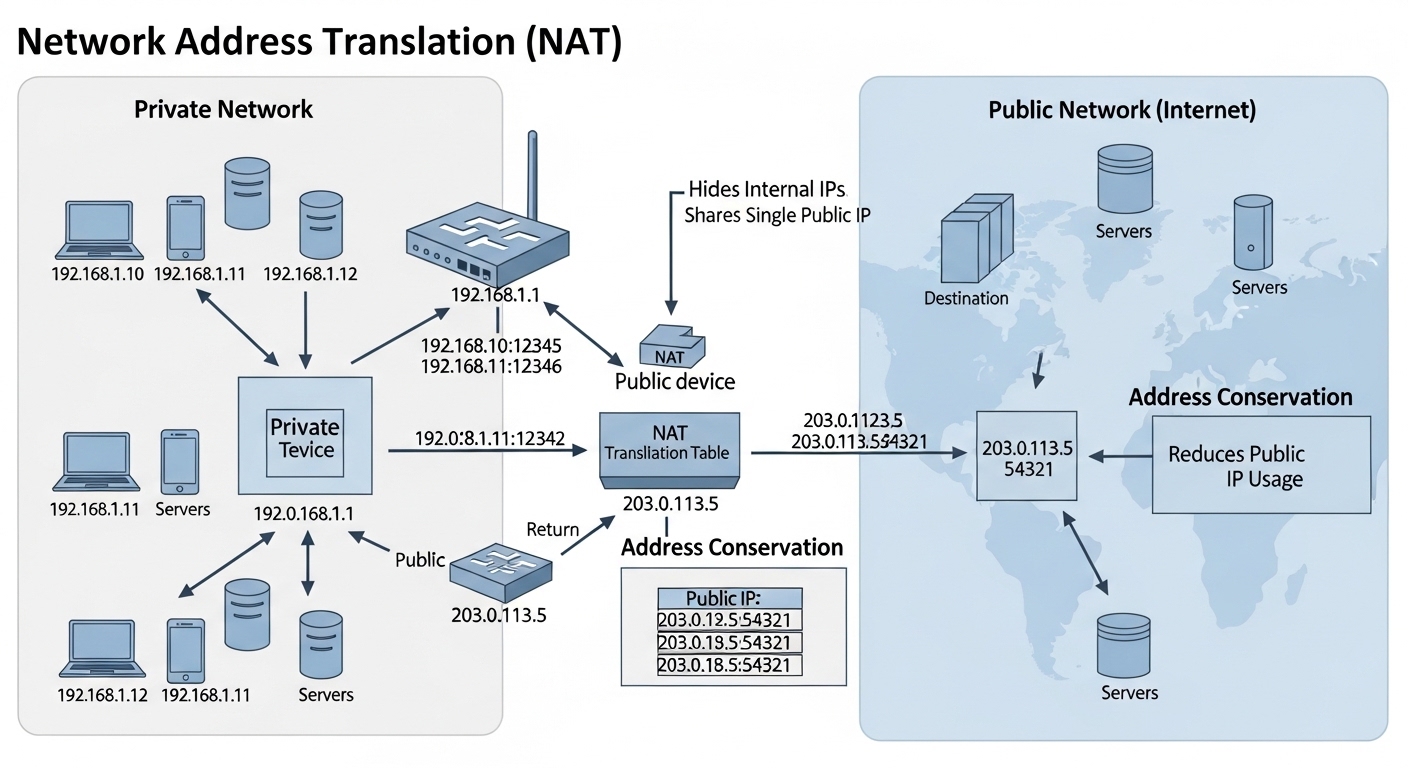
However, NAT is not a perfect solution. It introduces complexity, can affect performance, and is not suitable for all applications. Services that require direct connections, such as hosting, gaming, or certain enterprise tools, still need dedicated public IPv4 addresses.
This limitation means that even with widespread NAT usage, the public IPv4 address demand, NAT limitations, and direct connectivity requirements continue to drive the market.
Future Outlook for IPv4 Demand
The future of IPv4 demand will depend largely on the pace of IPv6 adoption. As more networks transition to IPv6, the reliance on IPv4 may gradually decline. However, this process is expected to take many years.
In the meantime, the IPv4 market trends, IP address scarcity, and ongoing network expansion will likely keep demand strong. Many experts believe that IPv4 will remain a valuable resource well into the next decade. Organizations that plan strategically for both IPv4 and IPv6 will be better positioned to navigate this evolving landscape. Balancing immediate operational needs with long-term transition plans is becoming a key aspect of network management.
Conclusion
IPv4 demand in today’s market is driven by a combination of technical limitations, economic factors, and the continued growth of the internet. The finite supply of IPv4 addresses, combined with the slow adoption of IPv6, has created a thriving market where these addresses are treated as valuable assets.
Cloud computing, ISP expansion, connected devices, and legacy systems all contribute to the ongoing need for IPv4 addresses. At the same time, the emergence of a secondary market and the investment potential of IPv4 resources have added a financial dimension to the demand. While IPv6 represents the long-term solution to address scarcity, the transition will take time. Until then, IPv4 will remain an essential part of the internet’s infrastructure, and the factors driving its demand are likely to persist for years to come.
FAQs
Q: Why is IPv4 still in demand if IPv6 exists?
IPv4 remains in demand because many networks, applications, and devices still rely on it. The transition to IPv6 requires infrastructure upgrades, software changes, and technical expertise, which can be costly and complex. As a result, many organizations continue using IPv4 for compatibility and operational stability, keeping demand high despite the availability of IPv6.
Q: Who typically buys or leases IPv4 addresses today?
The primary buyers and lessees of IPv4 addresses are cloud service providers, internet service providers, data center operators, and large enterprises. These organizations require large numbers of IP addresses to support customer services, hosting environments, and network expansion.
Q: How does the IPv4 secondary market work?
The IPv4 secondary market allows organizations to buy, sell, or lease address blocks from each other. Companies that no longer need their full allocation can transfer or lease addresses to others through brokers or approved registry processes. Prices are determined by market demand, regional policies, and the size of the address block.
Q: Will IPv4 eventually become obsolete?
IPv4 is expected to decline gradually as IPv6 adoption increases. However, the transition is slow, and many systems still depend on IPv4. It is likely that IPv4 will remain in use for many years, especially in environments where upgrading to IPv6 is not yet practical.
Q: Are IPv4 addresses considered a good investment?
Many organizations view IPv4 addresses as valuable digital assets because their supply is limited and demand remains strong. Prices have risen over time, and some companies purchase address blocks as long-term investments. However, the long-term value will depend on how quickly IPv6 adoption reduces the need for IPv4.