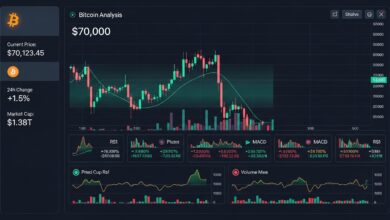
Bitcoin Price Reclaims $70K After February Market Slide the Bitcoin price has once again captured global attention after reclaiming the psychologically significant $70,000 level following a sharp correction in February. Market participants watched closely as the leading cryptocurrency experienced a steep decline that shook confidence across the crypto market, only to stage a strong recovery in the following weeks. This rebound has reignited optimism among investors, traders, and institutions, many of whom see the move as a sign of underlying strength rather than a temporary bounce.
Throughout its history, Bitcoin has been defined by dramatic swings in price, and the February slide was no exception. The downturn triggered widespread liquidations, tested key support levels, and raised questions about whether the bullish trend was losing momentum. However, the recent recovery above $70,000 suggests that the broader cryptocurrency market still has significant demand, particularly from institutional players and long-term holders.
As the digital asset landscape continues to mature, each major price movement provides valuable insights into market behavior, investor psychology, and the evolving role of blockchain technology in the global financial system. The latest recovery highlights not only Bitcoin’s resilience but also the growing influence of macroeconomic factors, regulatory developments, and capital inflows into the crypto ecosystem.
Bitcoin Price Reclaims $70K
The February downturn was characterized by a rapid decline that caught many traders off guard. The Bitcoin price dropped sharply from recent highs, erasing billions of dollars in market value within days. This correction was driven by a combination of profit-taking, macroeconomic uncertainty, and shifting sentiment across the broader digital currency space.
Market Corrections Are a Natural Part of Bitcoin Cycles
Historically, the Bitcoin price has moved in cycles, often experiencing significant pullbacks even during strong bull markets. These corrections serve as a mechanism to reset market sentiment and shake out overleveraged positions. During February, many traders who had taken aggressive long positions were forced to close their trades as prices fell, amplifying the downward momentum.
Such corrections are not unusual in the crypto trading environment. The highly volatile nature of Bitcoin means that double-digit percentage moves in either direction can occur within short periods. For experienced investors, these pullbacks are often seen as opportunities rather than signs of weakness.
Liquidations and Market Sentiment
A key factor behind the February decline was the wave of liquidations across derivatives markets. As the Bitcoin price dropped below critical support levels, automated liquidation mechanisms were triggered, causing a cascade effect. This phenomenon is common in crypto derivatives trading, where leverage magnifies both gains and losses.
The liquidations created a temporary imbalance between buyers and sellers, pushing the BTC price lower than many analysts had anticipated. However, once the forced selling subsided, the market began to stabilize, paving the way for a gradual recovery.
The Rebound: Bitcoin Price Reclaims $70K
After weeks of consolidation and cautious trading, the Bitcoin price managed to break back above the $70,000 mark. This move was significant not only from a technical perspective but also from a psychological standpoint. Round-number price levels often act as key resistance and support zones, and reclaiming them can shift market sentiment dramatically.
Strong Buying Pressure and Institutional Demand
One of the primary drivers behind the recovery was renewed buying interest from institutional investors. Large funds and asset managers continued to accumulate Bitcoin, viewing the February dip as a strategic entry point. The presence of institutional capital has increasingly shaped the cryptocurrency market, adding liquidity and stability compared to earlier cycles.
The growing adoption of Bitcoin ETFs and other regulated investment products has also contributed to sustained demand. These instruments provide traditional investors with easier access to Bitcoin exposure without requiring direct ownership of the asset.
Technical Breakout and Market Momentum
From a technical analysis perspective, the Bitcoin price reclaiming $70,000 marked a crucial breakout above resistance levels. This move triggered fresh buying activity as traders interpreted the breakout as a confirmation of bullish momentum.
As the price climbed, short positions were forced to close, further accelerating the upward movement. This phenomenon, often referred to as a short squeeze, can create rapid price increases in the crypto market.
Key Factors Supporting the Bitcoin Price Recovery
The rebound above $70,000 did not occur in isolation. Several fundamental and macroeconomic factors contributed to the renewed strength in the Bitcoin price.
Institutional Adoption and Capital Inflows
Institutional adoption remains one of the most important drivers of the Bitcoin price. Large-scale investors bring significant capital into the market, reducing volatility over time and creating a more stable demand base.
Asset managers, hedge funds, and corporate treasuries have increasingly added Bitcoin to their portfolios as a hedge against inflation and currency debasement. This shift in perception—from speculative asset to digital gold—has played a major role in supporting higher price levels.
Macro Environment and Monetary Policy
Global economic conditions also influence the Bitcoin price. Expectations around interest rates, inflation, and monetary policy often impact investor appetite for risk assets, including cryptocurrencies. When traditional financial markets face uncertainty, many investors turn to alternative assets like Bitcoin. The February recovery coincided with improved sentiment across global markets, which helped fuel the rebound.
Network Strength and On-Chain Activity
Beyond price movements, the strength of the Bitcoin network itself has remained robust. Metrics such as hash rate, active addresses, and transaction volume have continued to show healthy growth.
Strong on-chain activity indicates that the blockchain network is being actively used, which supports long-term value. This underlying strength provides a foundation for the Bitcoin price to recover after corrections.
Investor Psychology and Market Cycles
Understanding the Bitcoin price requires more than technical analysis. Investor psychology plays a crucial role in shaping market movements.
Fear, Uncertainty, and the February Drop
During the February slide, sentiment shifted rapidly from optimism to caution. News of price declines spread quickly across social media and trading platforms, triggering fear among retail investors.
This emotional response often leads to panic selling, which can accelerate price drops. However, experienced investors tend to view such periods as opportunities to accumulate assets at lower prices.
Renewed Confidence After the Recovery
As the Bitcoin price reclaimed $70,000, confidence began to return to the market. Positive sentiment often attracts new buyers, creating a feedback loop that pushes prices higher. The psychological impact of reclaiming a major price level cannot be overstated. For many investors, it signals strength and stability, reinforcing the broader bull market narrative.
The Role of Altcoins and the Broader Crypto Market
Bitcoin’s price movements often influence the entire cryptocurrency market. When the Bitcoin price rises, many altcoins tend to follow, benefiting from increased investor confidence.
Capital Rotation Into Altcoins
As Bitcoin stabilizes at higher levels, traders often rotate profits into smaller-cap cryptocurrencies. This phenomenon, known as altcoin season, can lead to significant gains across the broader market.
The February recovery in the Bitcoin price has already sparked renewed interest in various altcoins, particularly those associated with emerging sectors such as DeFi, AI tokens, and Layer 2 solutions.
Market Dominance and Bitcoin’s Leadership
Despite the growth of altcoins, Bitcoin remains the dominant force in the crypto ecosystem. Its market capitalization and trading volume far exceed those of any other digital asset.
The ability of the Bitcoin price to reclaim $70,000 reinforces its position as the market leader and a benchmark for overall crypto market sentiment.
Technical Outlook for Bitcoin Price
Technical analysts closely monitor price patterns, support levels, and resistance zones to predict future movements in the Bitcoin price.
Key Support and Resistance Levels
With the Bitcoin price back above $70,000, this level now acts as a crucial support zone. Holding above it could pave the way for further gains, while a drop below might trigger renewed volatility. Resistance levels above $70,000 will determine the next phase of the market. A sustained breakout could open the door to new all-time highs.
Momentum Indicators and Trend Analysis
Momentum indicators such as the Relative Strength Index and moving averages suggest that the Bitcoin price has regained upward momentum.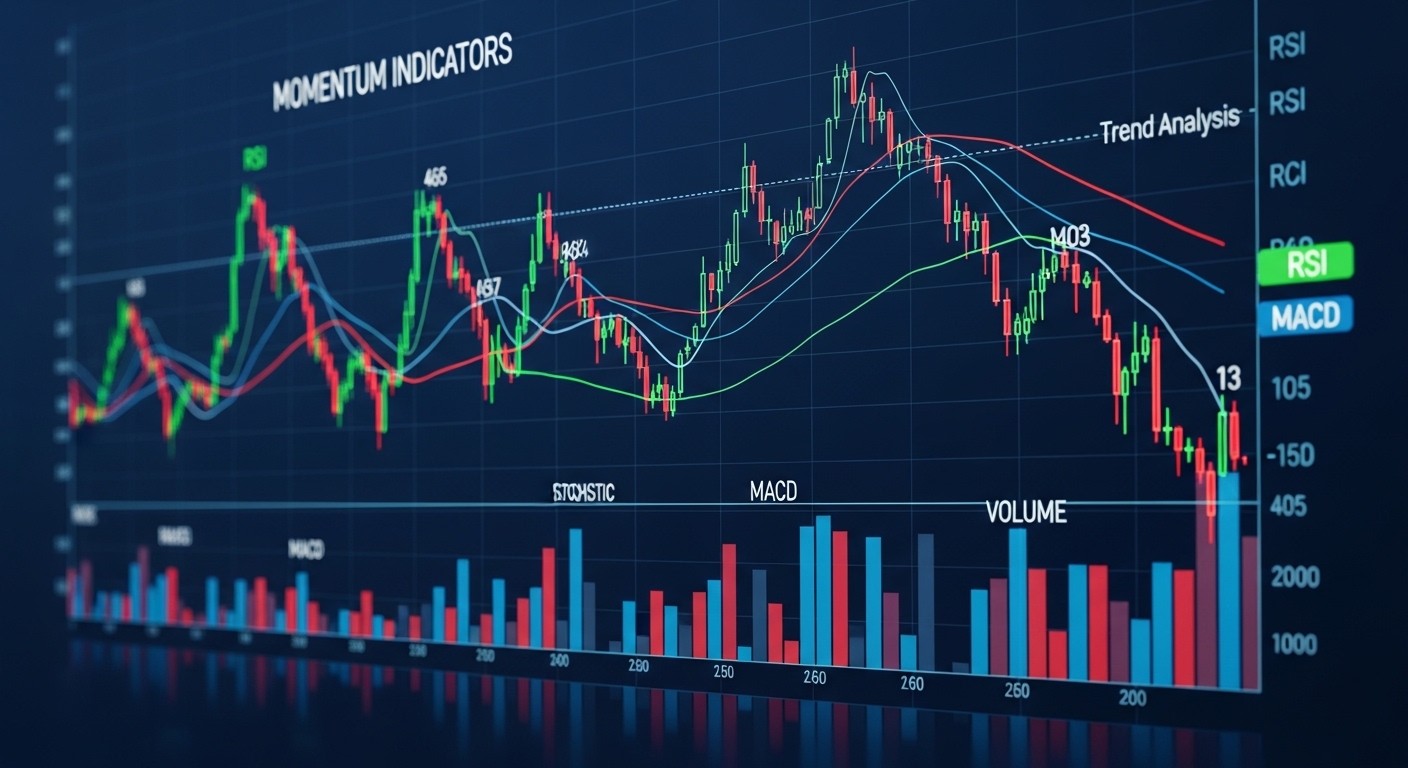
However, traders remain cautious, as the market could still experience short-term corrections.
Long-Term Outlook for Bitcoin
The long-term outlook for the Bitcoin price remains closely tied to adoption, regulation, and technological development.
Growing Institutional Participation
Institutional participation is expected to continue shaping the Bitcoin price in the coming years. As more financial institutions integrate Bitcoin into their offerings, demand could increase significantly.
Bitcoin as a Global Store of Value
Many analysts believe that Bitcoin’s role as a store of value will become more prominent over time. With a fixed supply and decentralized nature, Bitcoin is often compared to gold as a hedge against economic uncertainty.
Conclusion
The Bitcoin price reclaiming $70,000 after a deep February slide highlights the resilience of the world’s leading cryptocurrency. Despite sharp corrections and periods of uncertainty, Bitcoin continues to attract strong demand from both retail and institutional investors.
The recovery reflects a combination of technical momentum, institutional inflows, and improving market sentiment. While volatility remains an inherent part of the crypto market, the ability of the Bitcoin price to bounce back above key levels reinforces the long-term bullish outlook.
As the cryptocurrency market evolves, Bitcoin’s performance will likely continue to shape the broader landscape. Whether the price consolidates or moves toward new highs, one thing remains clear: Bitcoin’s influence in the global financial system is stronger than ever.
FAQs
Q: Why did the Bitcoin price drop sharply in February?
The February decline in the Bitcoin price was largely driven by profit-taking, macroeconomic uncertainty, and a wave of liquidations in leveraged positions. As prices fell below key support levels, automated liquidation mechanisms triggered, accelerating the downturn. This type of correction is common in the crypto market, especially after strong rallies, and often serves to reset market sentiment before the next phase.
Q: What caused the Bitcoin price to reclaim $70,000?
The recovery above $70,000 was fueled by renewed institutional demand, improved global market sentiment, and strong technical momentum. Large investors viewed the February dip as a buying opportunity, while traders responded to technical breakouts and short squeezes that pushed the price higher.
Q: Is reclaiming $70,000 a bullish signal for Bitcoin?
Reclaiming a major psychological level like $70,000 is generally seen as a bullish signal. It suggests strong buying interest and improved investor confidence. However, the crypto market remains volatile, and prices can still experience corrections even during broader upward trends.
Q: How does Bitcoin’s price movement affect the rest of the crypto market?
Bitcoin often acts as the leader of the cryptocurrency market. When the Bitcoin price rises, it tends to boost overall market sentiment, encouraging investors to buy altcoins. Conversely, when Bitcoin falls sharply, the rest of the market often follows.
Q: What factors will influence the Bitcoin price in the coming months?
Several factors will shape the Bitcoin price going forward, including institutional adoption, macroeconomic conditions, regulatory developments, and technological progress within the blockchain ecosystem. Market sentiment and investor behavior will also continue to play a major role in determining short-term price movements.