Stock Market Prediction Using Machine Learning in 2026 the global financial markets in 2026 are more data-driven than at any point in history. Every trade, every market movement, and every economic signal generates vast amounts of information. Investors, hedge funds, and institutions are increasingly turning to stock market prediction using machine learning to interpret this data and gain an edge. Traditional analysis methods, while still valuable, are being supplemented by powerful algorithms that can analyze patterns, detect anomalies, and forecast potential price movements.
Machine learning has evolved from a niche technological experiment into a central pillar of modern trading strategies. In 2026, it is no longer limited to large institutions with deep pockets. Retail traders, fintech platforms, and even individual investors now have access to sophisticated AI-based stock prediction models. These tools are capable of processing historical price data, financial indicators, market sentiment, and macroeconomic trends in real time.
The growing interest in stock market prediction using machine learning is driven by the promise of more accurate forecasts, reduced human bias, and faster decision-making. However, the technology also comes with challenges, including overfitting, market volatility, and the unpredictability of global economic events. Understanding how machine learning works in the stock market is essential for anyone looking to invest or trade in 2026.
Stock Market Prediction Using Machine Learning
For decades, investors relied on fundamental analysis and technical analysis to predict stock prices. Fundamental analysis focused on financial statements, earnings reports, and economic indicators, while technical analysis examined price charts and trading volumes. These approaches remain important, but they often depend on human interpretation.
Machine learning introduced a new approach by allowing computers to learn from data and identify patterns without explicit programming. Early models used simple statistical techniques, but modern systems employ advanced deep learning, neural networks, and predictive analytics to process complex market data.
In 2026, the shift toward algorithmic trading and AI-driven investing is more pronounced than ever. Financial firms now rely on machine learning systems to analyze thousands of variables simultaneously, something impossible for human analysts.
The Rise of Data-Driven Investing
The growth of big data in finance has fueled the adoption of machine learning. Stock markets generate enormous volumes of data every second, including price movements, order books, news headlines, and social media sentiment. Machine learning models can analyze this information to detect patterns and forecast potential outcomes.
In 2026, data-driven stock prediction is considered a standard practice among professional traders. Investors are increasingly relying on automated systems that can react to market changes in milliseconds.
How Machine Learning Predicts Stock Prices
Understanding the Core Concept
At its core, stock market prediction using machine learning involves training algorithms on historical data so they can recognize patterns and make predictions about future prices. These models learn from past trends, correlations, and anomalies to generate forecasts.
The process typically involves collecting data, cleaning it, selecting relevant features, training the model, and then testing its performance. Once the model achieves acceptable accuracy, it can be used to make real-time predictions.
Types of Machine Learning Models Used
Different types of machine learning algorithms are used in stock market prediction. Supervised learning models, such as linear regression and support vector machines, are trained using labeled data to predict future prices. Unsupervised learning models, like clustering algorithms, identify hidden patterns in market behavior.
In 2026, deep learning models such as recurrent neural networks and long short-term memory networks are widely used for time series forecasting. These models are particularly effective at analyzing sequential data like stock prices.
Role of Feature Engineering
Feature engineering is a crucial step in machine learning for stock trading. It involves selecting the most relevant variables that influence stock prices. These features may include historical prices, trading volume, technical indicators, interest rates, and even sentiment scores from news articles.
Well-designed features can significantly improve the accuracy of AI stock prediction models. In 2026, automated feature selection tools are helping traders build more efficient predictive systems.
Key Technologies Driving Machine Learning in Finance
Artificial Intelligence and Deep Learning
Artificial intelligence has become the backbone of stock market prediction using machine learning. Advanced deep learning algorithms can process vast datasets and identify subtle patterns that traditional models might miss.
Neural networks, especially deep neural networks, are capable of modeling complex relationships between variables. In 2026, these systems are being used to predict price movements, detect market manipulation, and optimize trading strategies.
Natural Language Processing for Market Sentiment
Another major innovation is natural language processing in finance. Machine learning models can analyze news articles, earnings reports, and social media posts to gauge market sentiment. Sentiment analysis allows traders to understand how public opinion and media coverage might influence stock prices. In 2026, many trading platforms integrate AI sentiment analysis tools to provide real-time insights.
Cloud Computing and Real-Time Data
The growth of cloud-based trading platforms has made machine learning more accessible. Cloud infrastructure allows traders to run complex models without investing in expensive hardware. Real-time data processing is also critical for high-frequency trading and automated strategies. In 2026, cloud-powered systems enable faster and more accurate stock price forecasting.
Benefits of Stock Market Prediction Using Machine Learning
Improved Accuracy and Speed
One of the biggest advantages of stock market prediction using machine learning is its ability to process large amounts of data quickly. Machine learning models can analyze thousands of variables in seconds, providing faster insights than traditional methods. These systems also reduce human bias, which often leads to emotional trading decisions. By relying on data-driven predictions, investors can make more rational choices.
Automation and Algorithmic Trading
Machine learning has enabled the rise of automated trading systems. These systems can execute trades based on predefined rules and predictions generated by AI models. In 2026, many investors use algorithmic trading strategies powered by machine learning. These strategies can identify profitable opportunities and execute trades automatically.
Risk Management and Portfolio Optimization
Machine learning is also being used for risk assessment and portfolio management. Predictive models can estimate the probability of losses and help investors diversify their portfolios. In 2026, AI-driven portfolio optimization tools are helping investors balance risk and return more effectively.
Challenges and Limitations
Market Volatility and Unpredictability
Despite its advantages, stock market prediction using machine learning is not foolproof. Financial markets are influenced by countless factors, including geopolitical events, economic policies, and unexpected crises. Machine learning models rely on historical data, but past trends do not always repeat. Sudden market shocks can render predictions inaccurate.
Overfitting and Data Bias
Overfitting occurs when a machine learning model becomes too closely tailored to historical data. Such models may perform well during testing but fail in real-world conditions. Data bias is another concern. If the training data is incomplete or skewed, the model’s predictions may be unreliable. In 2026, developers are focusing on improving model robustness and data quality.
Ethical and Regulatory Concerns
The use of AI in finance raises ethical and regulatory questions. Automated trading systems can influence market behavior, and poorly designed algorithms may cause unintended consequences. Regulators in 2026 are working to establish guidelines for AI-driven financial systems to ensure transparency and fairness.
Real-World Applications in 2026
Hedge Funds and Institutional Trading
Hedge funds are among the biggest adopters of machine learning in stock trading. These firms use AI models to identify trading opportunities, manage risk, and optimize portfolios. In 2026, many hedge funds rely almost entirely on quantitative trading strategies powered by machine learning.
Retail Trading Platforms
Retail investors are also benefiting from AI-powered stock prediction tools. Many trading apps now offer built-in machine learning features that provide forecasts and trading signals. This democratization of technology has made data-driven investing accessible to a wider audience.
Robo-Advisors and Automated Investing
Robo-advisors use machine learning to create and manage investment portfolios. These platforms analyze user preferences, risk tolerance, and market conditions to make automated investment decisions.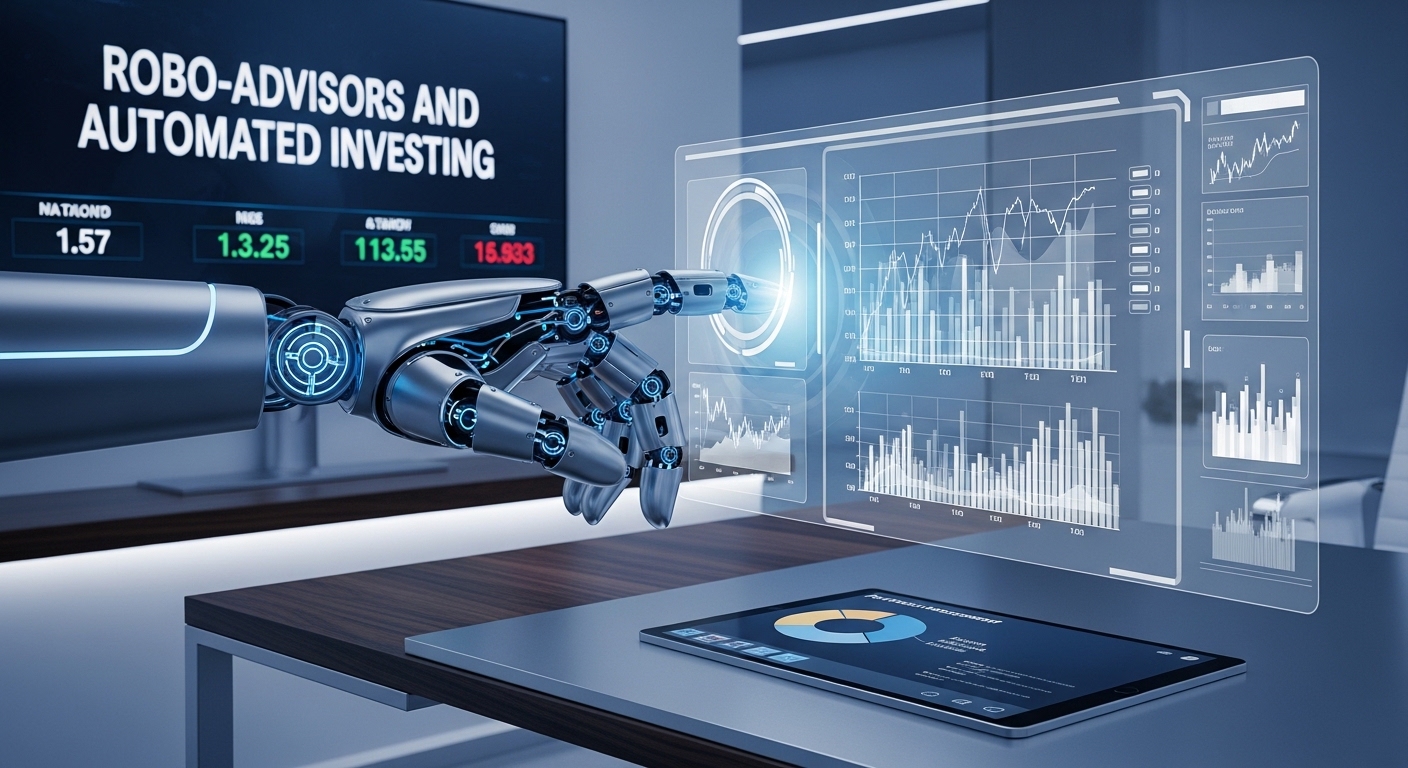
In 2026, AI robo-advisors are a popular choice for long-term investors.
The Future of Stock Market Prediction
Integration with Quantum Computing
One of the most exciting developments is the potential integration of quantum computing in finance. Quantum computers could process vast datasets and solve complex optimization problems much faster than traditional systems. While still in its early stages, quantum technology could revolutionize stock market prediction using machine learning in the coming years.
Increased Personalization
In the future, machine learning models will offer more personalized investment recommendations. These systems will consider individual financial goals, risk tolerance, and market conditions. By 2026, personalized AI investment strategies are already becoming common.
Greater Transparency and Explainable AI
Explainable AI is another major trend. Investors want to understand how machine learning models arrive at their predictions. In 2026, developers are focusing on explainable machine learning models that provide clear insights into their decision-making processes.
Conclusion
Stock market prediction using machine learning in 2026 represents a significant shift in how investors approach financial markets. With the ability to analyze massive datasets, detect hidden patterns, and generate real-time forecasts, machine learning has become an essential tool for traders and institutions alike.
While the technology offers improved accuracy, automation, and risk management, it is not without challenges. Market volatility, overfitting, and ethical concerns remain important considerations. Nevertheless, the continued evolution of artificial intelligence, cloud computing, and data analytics is likely to make machine learning an even more integral part of the financial world.
As technology advances, investors who understand and leverage machine learning-based stock prediction will be better positioned to navigate the complexities of modern markets.
FAQs
Q: How accurate is stock market prediction using machine learning in 2026
Machine learning models have become significantly more accurate over the years, especially with the use of deep learning and large datasets. However, accuracy still depends on the quality of the data, the type of model used, and current market conditions. Even the most advanced systems cannot guarantee profits because the stock market is influenced by unpredictable global events.
Q: Can beginners use machine learning for stock market prediction
Yes, many modern trading platforms offer user-friendly tools that incorporate machine learning. These tools provide predictions, signals, and automated strategies, making it easier for beginners to benefit from AI-driven insights without needing advanced programming skills.
Q: What data is used in machine learning stock prediction models
Machine learning models typically use historical price data, trading volumes, technical indicators, economic data, and sentiment analysis from news or social media. Some advanced models also include alternative data sources such as satellite imagery or consumer spending trends.
Q: Is machine learning better than traditional stock analysis
Machine learning can process large datasets faster and identify complex patterns that humans might miss. However, traditional analysis methods still provide valuable insights. Many successful investors in 2026 use a combination of both approaches to make more informed decisions.
Q: What are the risks of relying on machine learning for stock predictions
The main risks include overfitting, poor data quality, sudden market shocks, and algorithmic errors. Investors should treat machine learning predictions as tools rather than guarantees and always use proper risk management strategies when trading or investing.