Core Scientific News Bitcoin Miner to Sell 2,537 BTC After Weak Q4


Core Scientific News Bitcoin Miner to Sell 2,537 BTC After Weak Q4 the latest Core Scientific news has sent ripples through the cryptocurrency market as the major Bitcoin mining company announced plans to sell all 2,537 BTC holdings following disappointing fourth-quarter earnings. This development not only raises questions about the company’s financial health but also highlights the broader challenges facing the Bitcoin mining industry amid volatile crypto prices and rising operational costs.
In the world of Bitcoin mining, treasury strategy is often viewed as a sign of confidence. When a miner holds its BTC reserves, it signals long-term belief in the asset’s value. When it liquidates, markets pay attention. The decision by Core Scientific to offload its entire Bitcoin treasury after weak Q4 earnings reflects a strategic pivot shaped by financial pressures, debt restructuring considerations, and shifting capital priorities.
This Core Scientific news arrives at a time when BTC price volatility, crypto market correction, and tightening margins are redefining mining economics. Investors, analysts, and competitors are now closely watching how this liquidation could impact both Bitcoin price dynamics and mining sector sentiment.
Core Scientific News Bitcoin Miner
To fully grasp the implications of this Core Scientific news, it is important to understand the company’s trajectory over the past few years. Core Scientific has been one of the largest publicly traded Bitcoin miners in North America, operating large-scale data centers dedicated to securing the network through computational power.
During the bull cycle, many mining firms adopted aggressive expansion strategies. They invested heavily in infrastructure, took on debt to acquire ASIC machines, and accumulated Bitcoin as part of their balance sheet strategy. When Bitcoin surged above previous highs, this approach amplified returns. However, when prices softened and operational costs climbed, the same strategy created financial strain.
Weak Q4 earnings appear to have forced a recalibration. Lower mining rewards, combined with high energy expenses and debt servicing requirements, have compressed profit margins. In that context, selling 2,537 BTC is less about abandoning Bitcoin and more about reinforcing liquidity and balance sheet strength.
Weak Q4 Earnings and Financial Pressures
The core trigger behind this Core Scientific news is the company’s weaker-than-expected fourth-quarter performance. In mining economics, earnings are highly sensitive to three primary variables: Bitcoin price, network difficulty, and electricity costs.
If Bitcoin’s market price remains under pressure while network difficulty rises, miners receive fewer rewards relative to their operational input. Add in rising interest rates and capital financing costs, and profitability narrows further.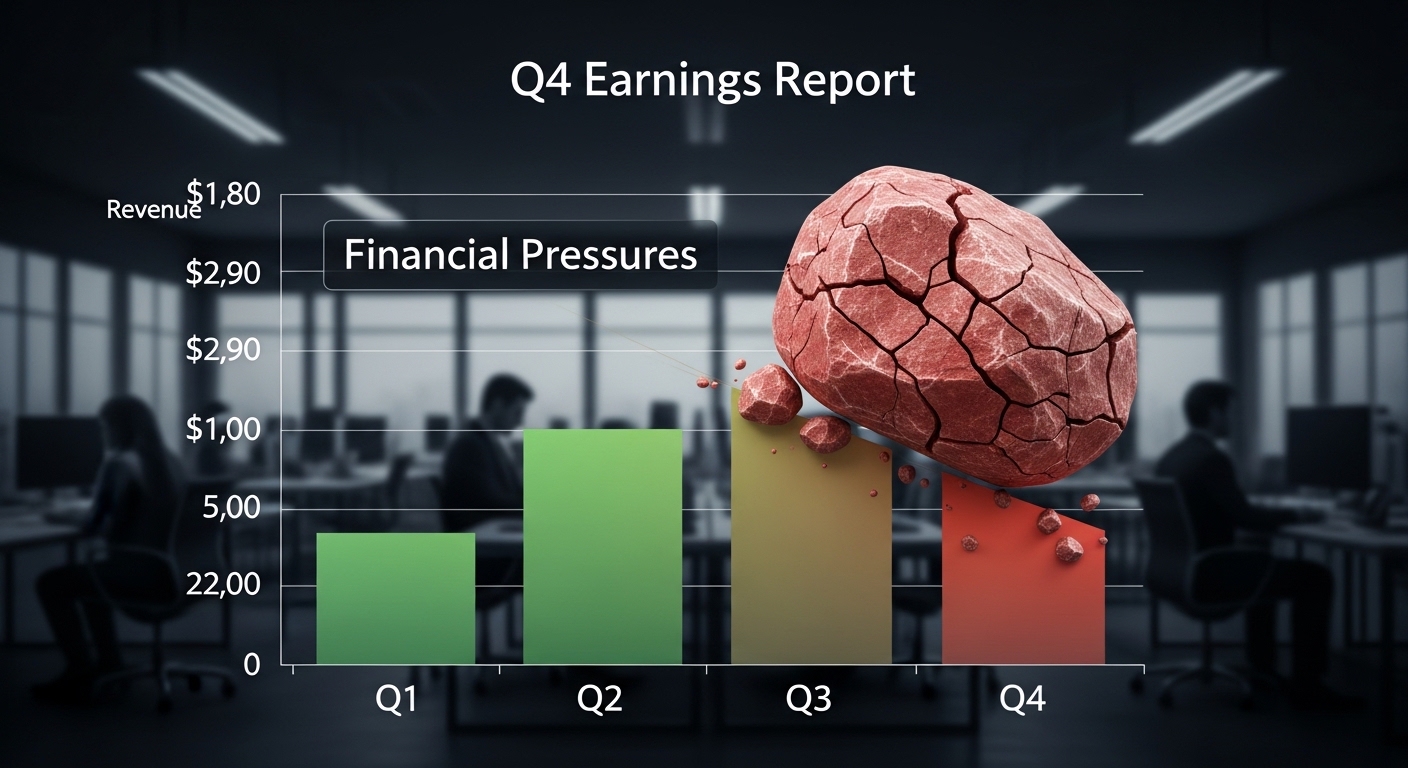
For Core Scientific, Q4 reportedly highlighted tightening margins and ongoing financial obligations. In this environment, selling BTC becomes a strategic move to strengthen cash reserves. By converting digital assets into fiat liquidity, the company can cover operating expenses, repay debt, and potentially invest in more efficient hardware. This Core Scientific news underscores a broader reality: even major miners must actively manage treasury exposure during downturns.
The Significance of Selling 2,537 BTC
The decision to sell all 2,537 BTC is symbolically powerful. In previous cycles, miners often retained significant portions of their mined Bitcoin, effectively acting as long-term holders. This “HODL strategy” was perceived as bullish. However, when a miner announces it will liquidate its entire holdings, markets interpret it as a defensive posture. That does not necessarily indicate bearish sentiment toward Bitcoin’s long-term future, but it does signal immediate financial necessity.
At current market levels, 2,537 BTC represents a sizable transaction. While not enough to single-handedly crash the market, such sales can influence short-term liquidity and trader psychology. The Core Scientific news therefore carries both practical and psychological weight.
Impact on Bitcoin Price Dynamics
The effect of this Core Scientific news on Bitcoin price depends on execution and timing. If the BTC sale is staggered strategically over time, the market may absorb it with minimal disruption. If executed rapidly, short-term volatility could increase.
Institutional investors often monitor miner flows to gauge supply pressure. When miners collectively begin selling reserves, it can signal stress within the ecosystem. Conversely, when miners accumulate, it reflects confidence. In this case, the sale appears targeted at strengthening operational stability rather than signaling bearish outlook. Nevertheless, traders may react cautiously in the near term.
Broader Context in the Bitcoin Mining Industry
The Core Scientific news is not an isolated event. The Bitcoin mining industry has undergone dramatic changes over the past two years. Increased regulatory scrutiny, higher electricity rates, and evolving network competition have forced companies to become more capital-efficient.
After the latest Bitcoin halving cycle, block rewards were reduced, intensifying competition for profitability. Mining companies must now rely more heavily on operational efficiency and optimized treasury management.
Several publicly traded miners have shifted strategies, focusing on AI hosting partnerships, high-performance computing services, or diversifying revenue streams. In this environment, selling Bitcoin reserves can be viewed as part of broader strategic adaptation.
Debt Management and Liquidity Strategies
Liquidity management is central to mining sustainability. The Core Scientific news suggests that the company is prioritizing immediate financial flexibility over long-term asset accumulation.
During expansion phases, miners often finance equipment purchases through debt instruments. When revenue expectations fail to materialize due to falling Bitcoin prices, those debt obligations become burdensome. Converting BTC reserves into cash helps alleviate pressure. From a corporate finance perspective, this decision can be interpreted as prudent risk management rather than panic selling.
Investor Reaction to Core Scientific News
Public market investors closely monitor mining company balance sheets. When news breaks that a miner will liquidate Bitcoin holdings, stock prices can react sharply. The reaction depends on how investors interpret the rationale.
If the move is seen as proactive restructuring, investor confidence may stabilize. If perceived as distress-driven liquidation, it could amplify concerns. The Core Scientific news is likely to influence sentiment across other mining stocks as well. Companies with similar treasury exposure may face scrutiny from analysts regarding their liquidity positions.
Mining Stocks and Market Correlation
Mining stocks are often considered leveraged plays on Bitcoin. When BTC rises, mining equities typically outperform due to operating leverage. When BTC declines, they underperform for the same reason.
This Core Scientific news reinforces the inherent volatility of the sector. Investors must account for operational risk, energy costs, hardware depreciation, and treasury exposure. In many ways, this announcement serves as a reminder that mining businesses are not passive Bitcoin holders; they are capital-intensive industrial operations.
Long-Term Outlook for Core Scientific
Despite weak Q4 earnings, it would be premature to interpret the BTC sale as a sign of structural collapse. The long-term viability of Core Scientific depends on several factors, including cost efficiency, energy contracts, infrastructure modernization, and macro crypto conditions.
If Bitcoin price recovers and network conditions stabilize, mining profitability could rebound. In that scenario, selling 2,537 BTC today may be viewed as a short-term sacrifice for long-term survival. The Core Scientific news reflects a transitional phase rather than a final verdict on the company’s prospects.
Operational Efficiency and Strategic Shifts
Modern mining success increasingly depends on energy optimization and hardware efficiency. Companies investing in next-generation ASIC miners and securing low-cost power agreements have competitive advantages.
Core Scientific may also explore diversification strategies, including hosting services for AI workloads or expanding data center capabilities beyond cryptocurrency mining. The Core Scientific news therefore highlights an evolving industry where flexibility is essential.
What This Means for the Crypto Market
From a macro perspective, the Core Scientific news underscores the interconnectedness of corporate strategy and digital asset markets. Miner selling activity contributes to supply dynamics and influences trader behavior.
However, the Bitcoin network itself remains decentralized and resilient. Individual company decisions, while impactful in the short term, do not alter the protocol’s fundamentals. For market participants, this event reinforces the importance of monitoring miner balance sheets, earnings reports, and operational announcements as leading indicators of sector health.
Conclusion
The Core Scientific news that the Bitcoin miner will sell all 2,537 BTC after weak Q4 earnings marks a pivotal moment for both the company and the broader mining sector. While the liquidation may raise short-term concerns about market supply pressure and financial stress, it can also be interpreted as a strategic move to preserve liquidity and strengthen operational stability.
In the evolving landscape of crypto mining economics, adaptability is crucial. Core Scientific’s decision reflects the realities of managing a capital-intensive business amid volatile Bitcoin prices and rising costs. Whether this move ultimately strengthens the company will depend on execution, cost control, and broader market conditions.
For investors and crypto enthusiasts alike, this Core Scientific news serves as a reminder that behind every block mined lies a complex financial structure requiring constant recalibration.
FAQs
Q: Why is Core Scientific selling all 2,537 BTC instead of holding for future price gains?
Core Scientific appears to be prioritizing immediate liquidity over long-term appreciation potential. After weak Q4 earnings, maintaining operational stability and meeting financial obligations likely became the top priority. Selling BTC converts a volatile digital asset into usable capital that can fund operations, repay debt, and stabilize the balance sheet. This decision does not necessarily mean the company has lost confidence in Bitcoin’s long-term value; rather, it reflects the realities of corporate treasury management during challenging market conditions.
Q: Will the sale of 2,537 BTC significantly impact Bitcoin price?
While 2,537 BTC is a substantial amount, the overall Bitcoin market is highly liquid and processes billions of dollars in daily trading volume. If the sale is executed gradually, its impact on Bitcoin price may be limited. However, market psychology plays a role. Miner selling can sometimes trigger short-term volatility because traders interpret it as a sign of financial stress within the mining sector. The long-term price impact is likely to depend more on macroeconomic trends and broader market sentiment.
Q: Does this Core Scientific news indicate broader trouble in the Bitcoin mining industry?
The news reflects ongoing challenges within the mining industry, including rising energy costs, higher network difficulty, and tighter financing conditions. However, it does not automatically imply systemic collapse. Many mining firms are adjusting strategies, improving efficiency, and diversifying revenue streams. The sale of BTC by one company may signal stress, but it can also demonstrate proactive financial management. Each mining company’s situation differs depending on cost structure, debt exposure, and operational efficiency.
Q: How do weak Q4 earnings affect a Bitcoin mining company’s strategy?
Weak Q4 earnings can force mining companies to reassess capital allocation, expansion plans, and treasury strategies. Lower profits may limit the ability to reinvest in hardware upgrades or expansion projects. Companies might reduce costs, renegotiate energy contracts, or liquidate BTC reserves to ensure adequate liquidity. In this case, the Core Scientific news suggests that earnings pressure prompted a shift toward strengthening short-term financial stability.
Q: What should investors watch next after this Core Scientific announcement?
Investors should monitor future earnings reports, updates on operational efficiency, debt restructuring efforts, and broader Bitcoin market conditions. The company’s ability to maintain competitive mining costs and adapt to changing market dynamics will be critical. Additionally, tracking miner reserve data across the industry can provide insights into overall sector health. The Core Scientific news is a key development, but it represents one chapter in a continuously evolving crypto mining landscape.