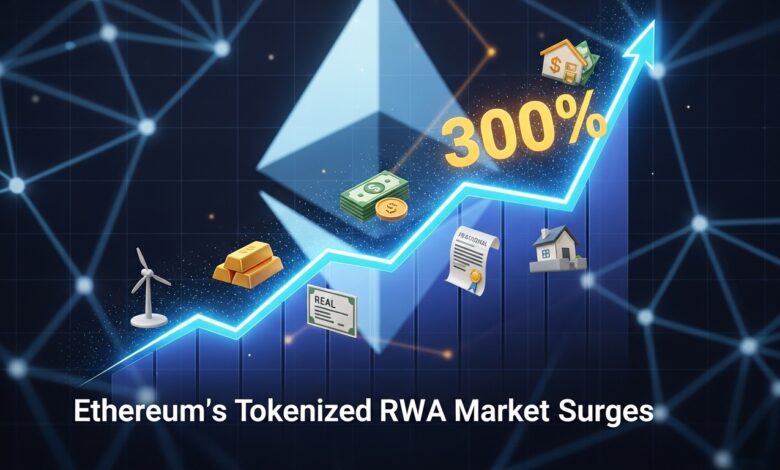
Ethereum’s Tokenized RWA Market Surges 300% Past $17B, marking one of the most significant developments in the evolution of decentralized finance. The surge reflects a powerful shift in how traditional financial assets are being integrated into blockchain networks. Tokenized real-world assets, often referred to as tokenized RWAs, include instruments such as government bonds, real estate, commodities, and private credit, all represented digitally on the Ethereum blockchain.
This explosive growth highlights a deeper transformation taking place across the financial industry. Institutions, fintech startups, and decentralized finance platforms are increasingly turning to Ethereum as the backbone for tokenization. The platform’s smart contract capabilities, deep liquidity, and mature ecosystem make it the leading infrastructure for real-world asset tokenization. As a result, Ethereum’s tokenized RWA market has rapidly evolved from a niche concept into a multibillion-dollar sector attracting global attention.
The 300% year-over-year jump demonstrates not only rising investor demand but also increasing trust in blockchain-based financial instruments. With the total value of tokenized assets surpassing $17 billion, Ethereum is positioning itself as a bridge between traditional finance and decentralized systems.
Ethereum’s Tokenized RWA Market Surges 300%
Ethereum’s tokenized RWA market jumps more than 300% year over year as value tops $17 billion largely due to the convergence of institutional adoption, improved regulatory clarity, and advances in blockchain infrastructure. Over the past few years, tokenization has shifted from experimental projects to fully operational financial products.
Tokenization allows physical or traditional financial assets to be represented as digital tokens on a blockchain. These tokens can be traded, transferred, and used as collateral within decentralized finance protocols. As a result, tokenized assets combine the stability of traditional investments with the efficiency and accessibility of blockchain technology. The Ethereum network has become the primary hub for this transformation. Its widely adopted standards, such as ERC-20 and ERC-1400, enable the creation of compliant financial tokens. These standards have made Ethereum the preferred choice for institutions looking to launch blockchain-based securities, tokenized bonds, and digital asset funds.
As more financial institutions explore tokenization, Ethereum’s share of the RWA market continues to grow. The network’s strong developer community and established DeFi infrastructure provide the liquidity and technical reliability needed to support large-scale tokenized assets.
Key Drivers Behind the 300% Growth
Institutional Adoption Accelerates
One of the primary reasons Ethereum’s tokenized RWA market jumps more than 300% year over year is the influx of institutional capital. Major asset managers and financial institutions have begun launching tokenized funds, treasury products, and private credit solutions on Ethereum.
Institutions are attracted to tokenization because it offers faster settlement times, reduced operational costs, and greater transparency. Instead of relying on traditional clearinghouses and intermediaries, tokenized assets can settle directly on the blockchain. This reduces friction in financial transactions and opens the door to new forms of liquidity.
Moreover, institutional adoption has brought credibility to the tokenized RWA sector. As more regulated entities participate, investor confidence increases, driving further growth across the ecosystem.
Growing Demand for Yield-Bearing Assets
Another factor contributing to the surge is the rising demand for yield-bearing assets in decentralized finance. Many DeFi users seek stable returns, particularly during periods of market volatility. Tokenized real-world assets, such as government bonds and credit products, offer predictable yields compared to traditional cryptocurrencies.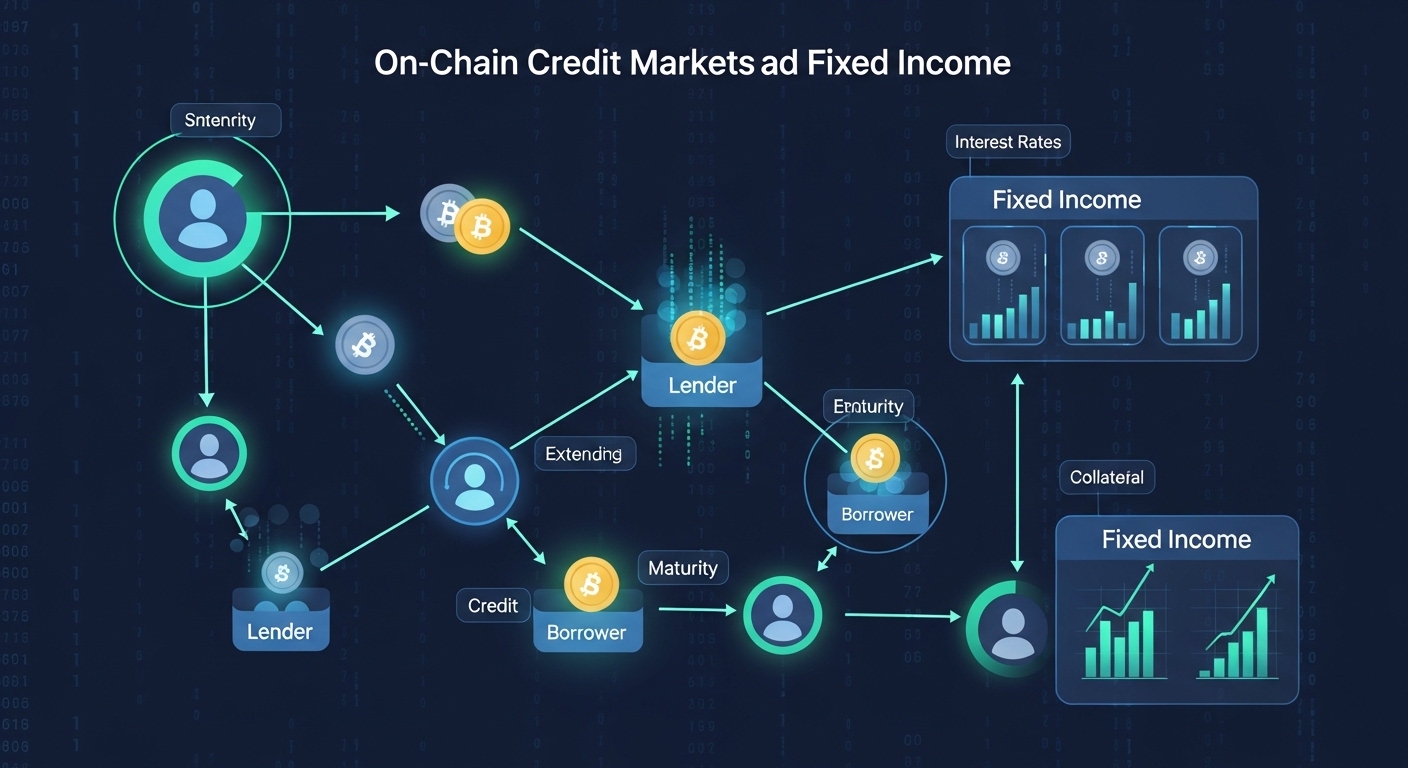
This demand has fueled the expansion of tokenized treasury products, on-chain credit markets, and blockchain-based fixed income solutions. As more DeFi platforms integrate these assets, Ethereum’s tokenized RWA market continues to expand rapidly.
Improved Regulatory Clarity
Regulatory developments in major financial jurisdictions have also played a key role. Clearer guidelines around digital securities and tokenized assets have encouraged institutions to explore blockchain solutions without fear of legal uncertainty. As compliance frameworks mature, tokenized RWAs are becoming more acceptable within traditional finance. This regulatory progress has helped accelerate the growth of Ethereum’s tokenized asset ecosystem.
Types of Real-World Assets on Ethereum
Tokenized Government Bonds and Treasuries
Tokenized government bonds represent one of the largest segments of Ethereum’s RWA market. These assets provide stable yields and are considered low-risk compared to other investments. By tokenizing government securities, issuers can offer fractional ownership and faster settlement times.
Investors can access digital treasury tokens directly through blockchain platforms, removing many of the barriers associated with traditional bond markets.
Private Credit and Corporate Debt
Private credit is another major component of Ethereum’s tokenized RWA market. Companies and lending platforms are using blockchain technology to issue tokenized loans and debt instruments. These tokenized credit assets allow investors to participate in lending markets that were previously inaccessible. The transparency of blockchain also enables real-time monitoring of loan performance and collateral.
Real Estate and Commodities
Real estate tokenization has gained momentum as well. Property owners can divide ownership into digital tokens, allowing investors to purchase fractional shares of real estate assets.
Similarly, commodities such as gold and energy resources are being tokenized on Ethereum. These digital commodity tokens provide exposure to physical assets without the need for storage or complex logistics.
The Role of DeFi in RWA Expansion
Decentralized finance has played a crucial role in the growth of Ethereum’s tokenized RWA market. DeFi protocols provide the infrastructure needed to trade, lend, and borrow against tokenized assets.
Platforms are integrating real-world asset collateral into lending pools, enabling users to borrow stablecoins or other cryptocurrencies against tokenized bonds and credit products. This integration creates new liquidity channels and enhances the overall efficiency of the financial system. As DeFi matures, tokenized RWAs are expected to become a core component of on-chain financial markets. They offer stability, predictable returns, and a direct link to traditional economic activity.
Benefits of Tokenized Real-World Assets
Increased Accessibility
Tokenization lowers the barriers to entry for many types of investments. Investors can purchase fractional shares of assets that were previously restricted to institutions or high-net-worth individuals. This democratization of finance is one of the most compelling advantages of real-world asset tokenization. It enables broader participation in global financial markets.
Enhanced Liquidity
Traditional assets such as real estate or private credit are often illiquid. Tokenization transforms these assets into tradable digital tokens, increasing their liquidity. Blockchain-based trading platforms allow investors to buy and sell tokenized assets more easily than traditional markets.
Faster Settlement and Lower Costs
By removing intermediaries, tokenization reduces settlement times and transaction costs. Smart contracts automate processes that would otherwise require manual verification.
This efficiency is a major reason why Ethereum’s tokenized RWA market jumps more than 300% year over year as value tops $17 billion.
Challenges Facing the Tokenized RWA Market
Regulatory Complexity
Despite improvements, regulatory frameworks for tokenized assets remain complex and fragmented across jurisdictions. Issuers must navigate different compliance requirements depending on where they operate. This complexity can slow adoption and increase operational costs for tokenized asset providers.
Custody and Security Concerns
Security remains a critical issue in the blockchain space. Tokenized assets must be protected against smart contract vulnerabilities and cyber threats. Reliable custody solutions and robust auditing processes are essential for maintaining trust in the ecosystem.
Liquidity Fragmentation
While tokenization improves liquidity, the market is still fragmented across different platforms and protocols. This fragmentation can limit trading volumes and price discovery. As the ecosystem matures, greater interoperability and standardization will likely address these challenges.
Future Outlook for Ethereum’s Tokenized RWA Market
Ethereum’s tokenized RWA market jumps more than 300% year over year as value tops $17 billion, and many analysts believe this growth is only the beginning. Tokenization is expected to transform the global financial system by bringing trillions of dollars in traditional assets onto blockchain networks. Major financial institutions are already exploring tokenized funds, bonds, and credit products. As infrastructure improves and regulatory clarity increases, the pace of adoption is likely to accelerate.
Ethereum’s position as the leading smart contract platform gives it a significant advantage in the tokenization race. Its large developer community, established DeFi ecosystem, and deep liquidity pools make it the preferred choice for tokenized assets. In the coming years, tokenized RWAs could become a standard component of investment portfolios. They offer the stability of traditional assets combined with the efficiency and transparency of blockchain technology.
Conclusion
Ethereum’s tokenized RWA market jumps more than 300% year over year as value tops $17 billion, signaling a major shift in the financial landscape. The rapid growth reflects increasing institutional participation, rising demand for yield-bearing assets, and improved regulatory clarity.
Tokenized real-world assets are bridging the gap between traditional finance and decentralized systems. By enabling fractional ownership, faster settlement, and greater transparency, tokenization is reshaping how assets are issued, traded, and managed.
While challenges remain, the long-term outlook for Ethereum’s tokenized RWA market appears strong. As adoption continues to grow, tokenization could unlock trillions of dollars in new opportunities across global financial markets.
FAQs
Q: What are tokenized real-world assets on Ethereum?
Tokenized real-world assets on Ethereum are traditional financial instruments or physical assets that are represented as digital tokens on the blockchain. These assets can include government bonds, real estate, commodities, or private credit. By converting these assets into tokens, they can be traded, transferred, or used as collateral within decentralized finance platforms, increasing efficiency and accessibility for investors.
Q: Why has Ethereum’s tokenized RWA market grown so rapidly?
The rapid growth of Ethereum’s tokenized RWA market is mainly driven by institutional adoption, demand for stable yield-bearing assets, and improvements in regulatory clarity. Financial institutions are increasingly using blockchain technology to issue tokenized funds and bonds, while DeFi users are seeking stable returns through real-world asset exposure.
Q: What advantages do tokenized assets offer compared to traditional investments?
Tokenized assets offer several advantages, including fractional ownership, faster settlement times, lower transaction costs, and improved transparency. Blockchain technology eliminates many intermediaries, allowing assets to move more efficiently between investors and markets.
Q: Are tokenized real-world assets safe to invest in?
Tokenized real-world assets can offer stability because they are backed by traditional financial instruments. However, they still carry risks related to regulation, smart contract security, and issuer reliability. Investors should evaluate the underlying asset, compliance structure, and platform security before investing.
Q: What is the future potential of Ethereum’s tokenized RWA market?
The future potential of Ethereum’s tokenized RWA market is significant. Many analysts believe that trillions of dollars in traditional assets could eventually be tokenized. As regulatory clarity improves and infrastructure develops, tokenized assets are expected to become a core part of global financial markets.