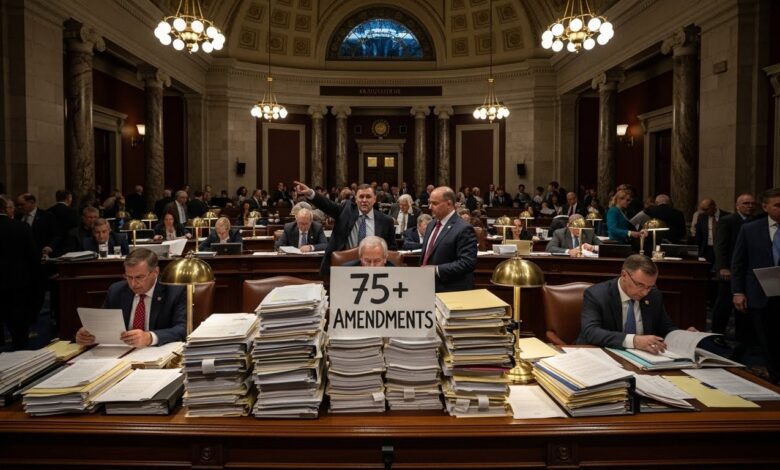
Senators Propose 75+ Amendments to Crypto Bill on DeFi and Yield the U.S. crypto regulatory landscape is entering a decisive phase as senators pitch more than 75 amendments for a sweeping crypto bill that could redefine how digital assets are governed. These proposed changes span a wide range of issues, but particular attention has been drawn to amendments addressing yield-generating products and decentralized finance, commonly known as DeFi. As lawmakers debate the scope and structure of regulation, the sheer volume of amendments underscores both the complexity of crypto markets and the urgency to get policy right.
For years, the crypto industry has operated in a gray area, shaped by enforcement actions rather than clear legislative guidance. This has created uncertainty for innovators, investors, and regulators alike. The current wave of amendments reflects growing recognition in Congress that digital assets, yield protocols, and decentralized platforms require tailored rules rather than one-size-fits-all solutions borrowed from traditional finance. At the same time, policymakers are grappling with concerns around consumer protection, financial stability, and national competitiveness.
We examines why senators are proposing more than 75 amendments to the crypto bill, what the changes mean for yield products and DeFi, and how these debates could shape the future of crypto regulation in the United States. By exploring the political, economic, and technological dimensions of these proposals, we aim to provide a clear and balanced view of what is at stake.
The Growing Momentum Behind Crypto Legislation
Why Congress Is Taking Crypto Seriously Now
Crypto has moved from the fringes of finance into mainstream economic discussions. With millions of Americans holding digital assets and blockchain technology influencing everything from payments to data security, lawmakers can no longer afford to ignore the sector. Recent market volatility, high-profile collapses, and enforcement actions have intensified calls for clarity and oversight.
The push for comprehensive legislation reflects a desire to establish predictable rules rather than reactive measures. Senators pitching amendments are responding to feedback from regulators, industry participants, and constituents who want certainty. This momentum signals that crypto regulation is no longer a niche issue but a central policy priority.
Senators Propose 75+ Amendments
Proposing more than 75 amendments is unusual and highlights how contentious and multifaceted the crypto bill has become. Each amendment represents a different perspective on how digital assets should be treated under the law. Some seek to tighten oversight, while others aim to preserve innovation and limit regulatory overreach.
This volume of amendments also suggests that the original bill left many questions unanswered. By refining definitions, jurisdictional boundaries, and compliance requirements, senators hope to craft legislation that can withstand legal scrutiny and adapt to a rapidly evolving industry.
Yield Products Under the Regulatory Spotlight
Crypto Yield
Crypto yield products allow users to earn returns on their digital assets through mechanisms such as lending, staking, or liquidity provision. These products have attracted significant capital by offering higher yields than traditional savings accounts. However, they have also raised concerns about risk, transparency, and investor protection.
Amendments focused on yield aim to clarify whether these products should be treated as securities, commodities, or a new category altogether. The outcome of this debate will determine which agencies oversee them and what compliance obligations apply.
Proposed Changes to Yield Regulation
Several senators have proposed amendments to establish clearer disclosure requirements for yield products. These proposals emphasize transparency around how returns are generated, what risks are involved, and how user funds are managed. Supporters argue that such measures would protect consumers without banning innovation.
Other amendments take a stricter approach, seeking to limit certain yield practices or require registration similar to traditional financial products. This tension reflects a broader debate over how closely crypto yield should resemble regulated investment vehicles.
DeFi Sections Spark Intense Debate
Why DeFi Challenges Traditional Regulation
Decentralized finance operates without centralized intermediaries, using smart contracts to facilitate lending, trading, and other financial activities. This structure challenges traditional regulatory frameworks that rely on identifiable entities to enforce compliance.
Amendments targeting DeFi aim to address this gap. Senators are grappling with questions such as who is responsible when something goes wrong and how consumer protections can be enforced in decentralized systems. These issues make DeFi one of the most complex areas of the crypto bill.
Balancing Innovation and Oversight in DeFi
Some proposed amendments seek to carve out exemptions or safe harbors for DeFi developers, arguing that overly strict rules could drive innovation overseas. These proposals emphasize the importance of maintaining U.S. leadership in blockchain technology.
Conversely, other amendments push for clearer accountability measures, especially where DeFi platforms resemble traditional financial services. This balance between innovation and oversight is central to the ongoing debate and will shape how DeFi evolves under U.S. law.
Jurisdictional Questions and Regulatory Authority
SEC vs CFTC and the Role of Amendments
One of the most contentious aspects of crypto regulation is determining which agency has authority over different digital assets. The Securities and Exchange Commission and the Commodity Futures Trading Commission have both asserted jurisdiction, leading to confusion and legal disputes.
Many amendments aim to clarify these boundaries by defining which assets fall under securities law and which are commodities. Clearer jurisdiction could reduce regulatory friction and provide much-needed guidance to the industry.
Implications for Market Participants
For exchanges, developers, and investors, jurisdictional clarity is critical. Amendments that delineate regulatory authority can influence compliance costs, product offerings, and market structure. Clear rules may encourage institutional participation by reducing legal uncertainty.
However, poorly defined boundaries could exacerbate confusion, highlighting the importance of careful legislative drafting. The amendments process is therefore a crucial opportunity to refine these details.
Consumer Protection and Financial Stability
Addressing Risks Without Stifling Growth
Consumer protection is a central theme across many amendments. Lawmakers are concerned about fraud, misrepresentation, and systemic risks posed by poorly understood crypto products. Proposed changes include enhanced disclosures, risk warnings, and safeguards for user funds.
At the same time, there is recognition that excessive restrictions could stifle growth. The challenge lies in designing protections that address genuine risks without undermining the benefits of decentralized and innovative financial models.
Lessons from Past Market Turmoil
Recent crypto market disruptions have informed many of the proposed amendments. Lawmakers are drawing lessons from past failures to prevent similar outcomes in the future. These experiences have shaped a more cautious approach to yield and DeFi regulation.
By incorporating these lessons into legislation, senators hope to create a more resilient market environment that protects users while allowing innovation to flourish.
Industry Response to the Amendments
Support and Concerns from Crypto Advocates
The crypto industry’s response to the proposed amendments has been mixed. Some welcome the effort to provide clarity and legitimacy, viewing regulation as a necessary step toward mainstream adoption. Others worry that certain amendments could impose burdensome requirements that favor large players over startups.
Industry advocates emphasize the need for flexible rules that recognize the unique characteristics of blockchain technology. Their feedback has influenced some amendments, demonstrating the ongoing dialogue between lawmakers and stakeholders.
The Risk of Regulatory Fragmentation
With so many amendments on the table, there is a risk of creating a fragmented regulatory framework. Conflicting provisions could lead to uncertainty and legal challenges. Achieving coherence and consistency will be essential for the bill’s long-term effectiveness.
This risk underscores the importance of bipartisan collaboration and careful reconciliation of competing proposals. A fragmented approach could undermine the very clarity the legislation seeks to provide.
Political Dynamics Shaping the Crypto Bill
Bipartisan Interest and Diverging Priorities
Crypto regulation has attracted bipartisan interest, but priorities differ across the political spectrum. Some lawmakers focus on innovation and competitiveness, while others emphasize consumer protection and financial stability. The amendments reflect these differing perspectives.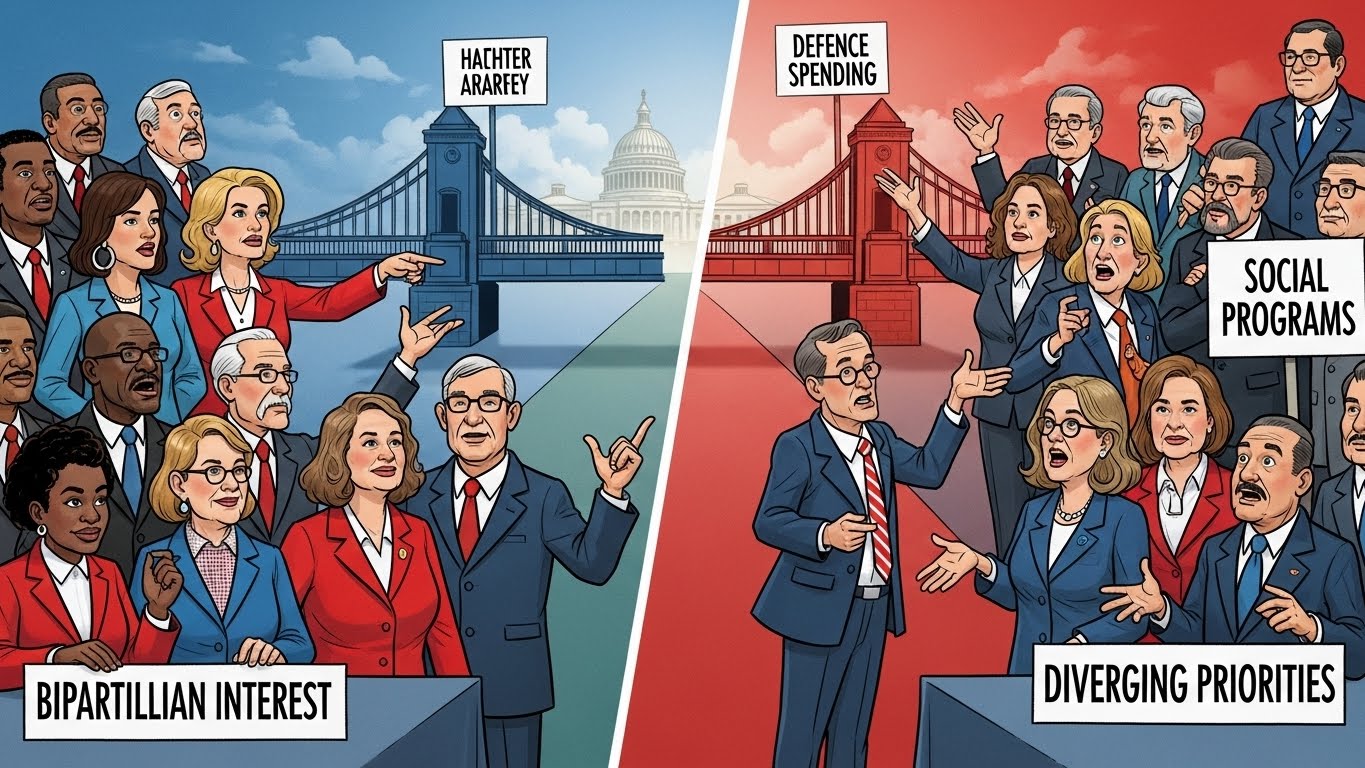
Navigating these dynamics will determine the final shape of the bill. Compromise will be necessary to balance competing goals and secure enough support for passage.
The Legislative Path Forward
The amendments process is just one stage in the legislative journey. Proposed changes will be debated, revised, and potentially consolidated before a final vote. This process provides opportunities to refine the bill but also introduces uncertainty about its ultimate form.
Market participants are closely watching these developments, aware that the outcome could have far-reaching implications for the crypto ecosystem.
Global Implications of U.S. Crypto Regulation
How U.S. Policy Influences Global Markets
U.S. crypto regulation often sets a benchmark for other jurisdictions. Amendments addressing yield and DeFi could influence how other countries approach similar issues. Clear and balanced rules may encourage international alignment, while restrictive measures could prompt regulatory arbitrage.
The global nature of crypto markets means that U.S. decisions resonate far beyond its borders. Senators are aware that their choices could shape the international competitive landscape.
Maintaining U.S. Leadership in Blockchain Innovation
Many amendments emphasize the importance of maintaining U.S. leadership in blockchain and digital assets. By providing clarity and fostering innovation, lawmakers aim to attract talent and investment. Conversely, overly restrictive rules could drive activity to more permissive jurisdictions.
This strategic consideration adds another layer of complexity to the legislative debate, reinforcing the high stakes involved.
Conclusion
The decision by senators to pitch more than 75 amendments for the crypto bill highlights both the urgency and complexity of regulating digital assets. With significant focus on yield products and DeFi sections, lawmakers are attempting to strike a balance between innovation, consumer protection, and financial stability. These amendments reflect diverse perspectives and competing priorities, underscoring the challenge of crafting effective crypto policy.
As the legislative process unfolds, the outcome will shape the future of crypto in the United States. Clear and thoughtful amendments could provide the certainty the industry needs to grow responsibly, while missteps could prolong uncertainty. For now, the debate itself signals a turning point, marking crypto’s transition from regulatory ambiguity to structured oversight.
FAQs
Q: Why are senators proposing more than 75 amendments to the crypto bill?
The large number of amendments reflects the complexity of regulating crypto and the wide range of perspectives among lawmakers. Many believe the original bill needed refinement, especially around yield products, DeFi, and regulatory authority, prompting extensive proposed changes.
Q: How could the amendments affect crypto yield products?
Amendments targeting yield products aim to clarify their legal classification and improve transparency. Depending on which proposals are adopted, yield platforms may face new disclosure requirements or regulatory oversight similar to traditional financial products.
Q: Why is DeFi such a challenging area for lawmakers?
DeFi operates without centralized intermediaries, making it difficult to apply traditional regulatory frameworks. Lawmakers are debating how to ensure accountability and consumer protection without undermining the decentralized nature of these platforms.
Q: What role do regulatory agencies play in the amendments?
Many amendments seek to clarify the roles of agencies like the SEC and CFTC. Clear jurisdictional boundaries are intended to reduce confusion and provide consistent oversight for different types of digital assets.
Q: When will the final version of the crypto bill be decided?
The amendments are part of an ongoing legislative process that includes debate, revisions, and voting. While timelines can vary, the final version will emerge only after lawmakers reconcile competing proposals and secure sufficient support.