Solana DeFi Platform Step Finance Probes $29M Wallet Breach the decentralized finance ecosystem on Solana has grown at a remarkable pace, attracting billions in total value locked and a global community of developers, traders, and long-term investors. Within this rapidly expanding landscape, Step Finance has emerged as a prominent analytics and portfolio management platform, offering users a comprehensive view of their on-chain activity. However, the recent news surrounding Solana DeFi platform Step Finance investigating $29 million treasury wallet compromise has sent shockwaves across the crypto community. A potential breach of this scale not only raises immediate questions about internal security practices but also reignites broader debates around treasury management, wallet architecture, and systemic risks within decentralized finance.
This incident is more than just a headline about lost funds. It reflects the growing pains of an industry balancing innovation with security, transparency with decentralization, and speed with resilience. As Step Finance works to understand what happened, the event has become a case study for how DeFi protocols respond to crises, communicate with users, and protect long-term trust. We will explores the details of the investigation, the implications for Solana’s DeFi ecosystem, and the lessons that projects and users alike can draw from this situation.
Solana DeFi Platform Step Finance
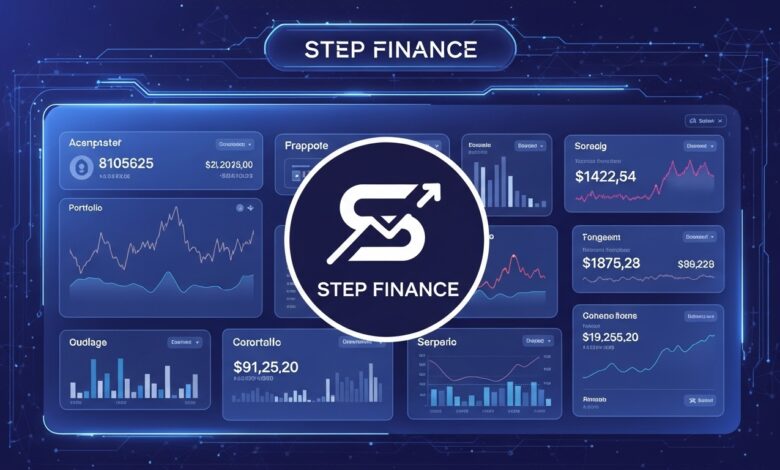
Step Finance operates as a core infrastructure layer for many Solana users, providing dashboards that aggregate wallet balances, DeFi positions, NFT holdings, and transaction histories. By simplifying access to complex on-chain data, the platform has positioned itself as a gateway for both newcomers and experienced traders navigating the Solana blockchain. Its tools help users track yields, analyze protocol interactions, and manage risk more effectively, making it an essential component of the Solana DeFi ecosystem.
Beyond analytics, Step Finance also plays an active role in governance and ecosystem development. The protocol’s treasury supports ongoing development, partnerships, and community incentives. This makes the treasury wallet a critical asset, not just financially but strategically, as it underpins the project’s roadmap and sustainability.
Why the Treasury Wallet Matters
In decentralized finance, a treasury wallet often represents the collective resources of a protocol. Funds held there may include token reserves, stablecoins, and liquidity earmarked for development, grants, and operational expenses. A compromise of such a wallet can have cascading effects, impacting everything from token price stability to user confidence. In the case of Step Finance treasury wallet compromise, the reported $29 million figure underscores the seriousness of the situation and why the investigation has drawn widespread attention.
The $29 Million Treasury Wallet Compromise Explained
What Is Known So Far
The announcement that Solana DeFi platform Step Finance investigating $29 million treasury wallet compromise immediately triggered speculation across social media and crypto forums. While initial reports suggest unauthorized access to a treasury wallet, the exact attack vector remains under investigation. Step Finance has indicated that it is working to trace transactions, analyze wallet permissions, and determine whether the incident resulted from a private key exposure, smart contract vulnerability, or compromised operational security.
At this stage, transparency is critical. DeFi users are accustomed to real-time blockchain data, and discrepancies between on-chain movements and official statements can quickly erode trust. By acknowledging the investigation early, Step Finance has taken an important step toward maintaining credibility while the technical details are being clarified.
The Scale and Impact of the Loss
A $29 million loss is significant even in an industry accustomed to large numbers. For Step Finance, such an amount could represent a substantial portion of its operational runway or strategic reserves. The impact extends beyond the protocol itself, as investors, partners, and users reassess their exposure and risk tolerance.
In the broader context of DeFi security incidents, this event ranks among the more notable treasury-related compromises on Solana, reinforcing concerns about wallet management practices across the ecosystem.
Potential Causes Behind the Treasury Wallet Breach
Private Key Management and Human Error
One of the most common causes of treasury compromises in DeFi is improper private key management. If a single individual or a small group controls access to a high-value wallet, the risk of human error increases dramatically. Phishing attacks, malware, or accidental exposure of sensitive credentials can all lead to catastrophic losses. As Step Finance investigating the breach, scrutiny will likely focus on how access to the treasury wallet was structured and whether multi-signature protections were adequately implemented.
Smart Contract and Infrastructure Vulnerabilities
Another possibility lies in the underlying smart contracts or infrastructure supporting treasury operations. While Solana’s high-performance architecture offers speed and low fees, it also introduces complexity that can mask subtle vulnerabilities. If the treasury interacted with automated systems for staking, liquidity provision, or token swaps, an exploit in one of those components could have been leveraged to drain funds. Such scenarios highlight the importance of regular audits and continuous monitoring in the Solana DeFi platform environment.
Social Engineering and Insider Risks
Not all attacks are purely technical. Social engineering remains a powerful tool for attackers, particularly when targeting project team members with access privileges. Insider risks, whether malicious or accidental, also cannot be ruled out until the investigation is complete. The outcome of Step Finance’s inquiry will likely shed light on whether procedural weaknesses played a role in the compromise.
How Step Finance Is Responding to the Incident
Investigation and On-Chain Analysis
In response to the reported breach, Step Finance has prioritized on-chain analysis to trace the movement of funds. The transparency of blockchain technology allows investigators to follow transaction flows, identify intermediary wallets, and assess whether funds have been mixed or bridged to other networks. This process is essential not only for potential recovery efforts but also for understanding the attacker’s methodology.
By actively investigating and sharing updates, Step Finance reinforces its commitment to accountability. This approach aligns with best practices observed in previous crypto treasury hacks, where timely disclosure and technical clarity helped mitigate long-term reputational damage.
Communication With the Community
Clear communication is a cornerstone of crisis management in decentralized projects. Users expect honest updates, even when all the answers are not yet available. Step Finance’s engagement with its community during this period will play a decisive role in shaping perceptions of its leadership and resilience. In the context of Solana DeFi platform Step Finance investigating $29 million treasury wallet compromise, how the narrative is handled may matter almost as much as the technical resolution.
Implications for the Solana DeFi Ecosystem
Market Confidence and User Trust
Security incidents have a way of reverberating beyond the affected protocol. For Solana’s DeFi ecosystem, the Step Finance investigation serves as a reminder that even established platforms are not immune to risk. While Solana has made strides in improving network stability and developer tooling, high-profile breaches can dampen market confidence and slow user adoption.
At the same time, transparent handling of such incidents can strengthen the ecosystem in the long run. When projects learn from failures and implement stronger safeguards, the overall security posture improves, benefiting all participants.
Regulatory and Governance Considerations
As DeFi platforms grow in scale, regulatory scrutiny is likely to intensify, particularly following major losses. Incidents like the Step Finance treasury wallet compromise may prompt discussions around governance standards, treasury oversight, and risk disclosures. For decentralized projects, striking a balance between autonomy and accountability will be an ongoing challenge as the industry matures.
Lessons for DeFi Projects and Users
Strengthening Treasury Security
One of the clearest lessons from this incident is the importance of robust treasury security. Multi-signature wallets, hardware-based key storage, and strict access controls are no longer optional for protocols managing large sums.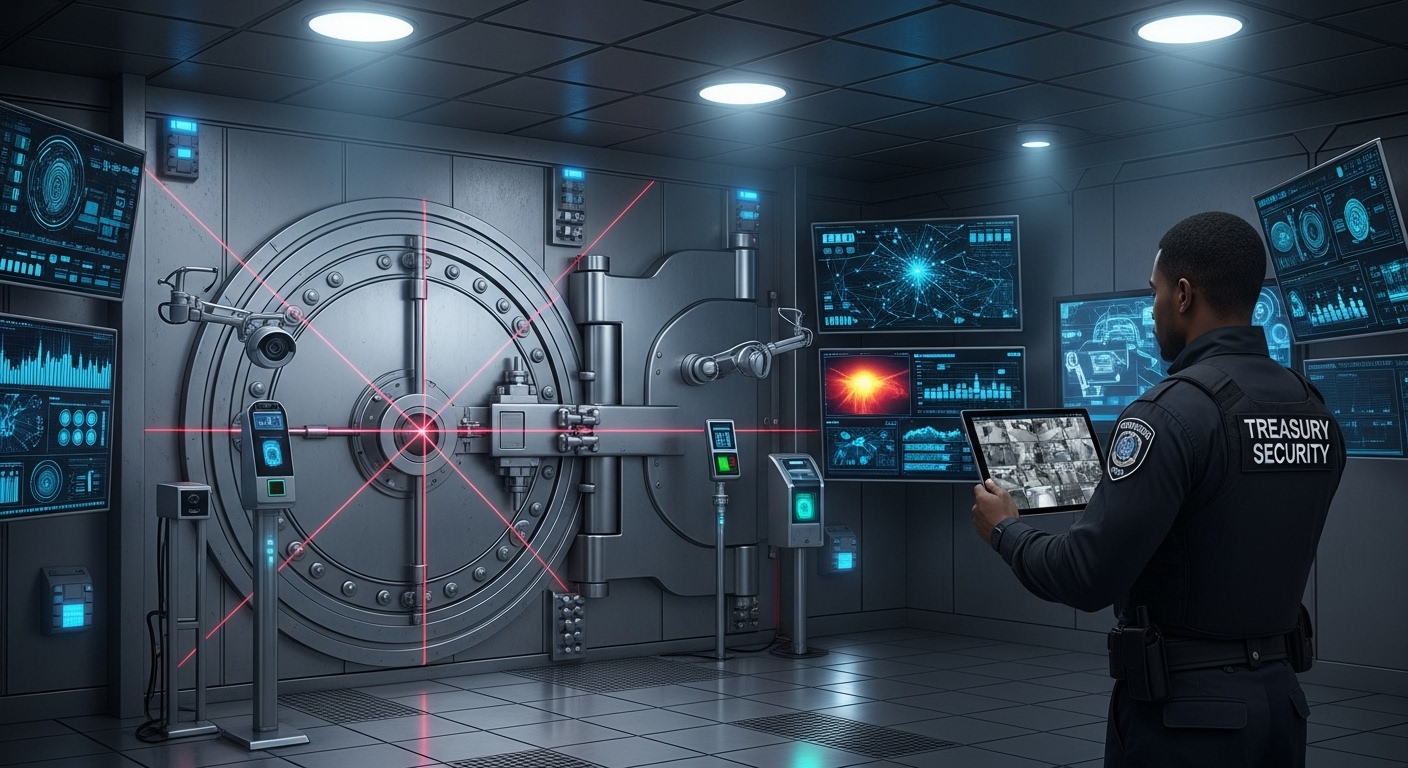
Regular security reviews and simulated attack scenarios can also help identify weaknesses before they are exploited. The experience of Solana DeFi platform Step Finance investigating $29 million treasury wallet compromise underscores the cost of complacency in this area.
Risk Awareness for Users
For users, this event highlights the need for due diligence beyond attractive yields or user-friendly interfaces. Understanding how a protocol manages its treasury, responds to incidents, and prioritizes security can inform better investment decisions. While decentralization offers powerful benefits, it also shifts responsibility toward users to assess risk more critically.
The Broader Context of DeFi Security in 2026
A Pattern of High-Value Attacks
The Step Finance investigation fits into a broader pattern of high-value attacks targeting DeFi treasuries and infrastructure. As total value locked increases, so does the incentive for sophisticated attackers. This arms race between security measures and exploitation techniques is shaping the evolution of decentralized finance, pushing projects to adopt more rigorous standards.
Moving Toward More Resilient Systems
Despite setbacks, the DeFi sector continues to innovate in security. Advances in formal verification, real-time monitoring, and decentralized insurance models are helping mitigate the impact of breaches. Incidents like the Step Finance treasury wallet compromise serve as catalysts for these improvements, driving the industry toward more resilient and trustworthy systems.
Conclusion
The news of Solana DeFi platform Step Finance investigating $29 million treasury wallet compromise marks a critical moment for both the protocol and the wider Solana ecosystem. While the full details of the breach are still emerging, the incident highlights enduring challenges around treasury security, governance, and user trust in decentralized finance. Step Finance’s response, from its technical investigation to its community communication, will shape its future and influence how similar platforms prepare for and respond to crises.
Ultimately, this event serves as a reminder that DeFi’s promise of openness and innovation must be matched by an equally strong commitment to security and accountability. As the industry learns from such incidents, it moves closer to fulfilling its potential as a robust alternative to traditional financial systems.
FAQs
Q: What does it mean that Solana DeFi platform Step Finance is investigating a $29 million treasury wallet compromise?
This means that Step Finance has identified suspicious or unauthorized activity involving one of its treasury wallets and is actively examining how approximately $29 million in digital assets may have been accessed or moved without authorization, using on-chain analysis and internal security reviews.
Q: How could a treasury wallet compromise affect Step Finance users?
While user wallets are typically separate from protocol treasuries, such an incident can indirectly affect users by impacting development funding, token economics, and overall confidence in the platform, which may influence usage and long-term growth.
Q: Is the Solana blockchain itself responsible for the Step Finance treasury issue?
There is no indication that the Solana blockchain is inherently at fault; treasury compromises usually stem from wallet management issues, private key exposure, or smart contract vulnerabilities rather than flaws in the underlying network.
Q: What steps can DeFi platforms take to prevent treasury wallet compromises in the future?
Platforms can reduce risk by using multi-signature wallets, limiting access permissions, employing hardware security modules, conducting regular audits, and maintaining clear incident response plans to detect and contain threats early.
Q: Why is transparency important when a DeFi platform investigates a security incident?
Transparency helps maintain user trust by providing clarity on what happened, how it is being addressed, and what changes will be made to prevent future incidents, which is especially important in decentralized ecosystems where trust is built through openness rather than centralized guarantees.