What Banks Use XRP Financial Institutions Using Ripple What banks use XRP is one of the most searched questions in the cryptocurrency and blockchain finance space, especially among investors, analysts, and institutions tracking real-world adoption. Unlike many digital assets that remain largely speculative, XRP has consistently positioned itself as a utility-focused cryptocurrency designed to improve cross-border payments. Developed to work within Ripple’s payment ecosystem, XRP aims to solve long-standing inefficiencies in traditional banking systems, particularly high costs, slow settlement times, and limited transparency.
Banks and financial institutions have struggled for decades with outdated infrastructure when sending money across borders. Traditional systems rely heavily on correspondent banking networks, which introduce delays, fees, and liquidity challenges. Ripple entered this space with a blockchain-based solution that promised near-instant settlement and lower operational costs. As a result, interest in Ripple’s technology and the role of XRP has grown steadily.
Understanding what banks use XRP requires clarity, because not every institution using Ripple’s technology necessarily uses XRP itself. Some banks leverage Ripple’s messaging and settlement solutions, while others actively use XRP for on-demand liquidity. This distinction is crucial for anyone researching adoption. In this comprehensive guide, we explore the financial institutions connected to Ripple, how XRP fits into their operations, and why banks continue to explore blockchain-based payment solutions.
Understanding Ripple and XRP in Banking
Ripple is a financial technology company that develops blockchain-based payment solutions for banks and financial institutions. XRP is the digital asset associated with Ripple’s ecosystem, designed to function as a bridge currency in cross-border transactions. When people ask what banks use XRP, they are often referring to institutions that utilize XRP to facilitate liquidity and settlement rather than just messaging.
Ripple’s core infrastructure allows banks to send value across borders quickly without pre-funding accounts in destination currencies. XRP plays a critical role in this process by enabling on-demand liquidity, reducing the need for costly nostro and vostro accounts. This approach has attracted interest from banks seeking efficiency and scalability.
However, it is important to note that Ripple’s technology can be used with or without XRP. Some institutions adopt RippleNet purely for its messaging and settlement capabilities, while others integrate XRP directly into their payment flows. This layered adoption model explains why the list of banks associated with Ripple is broader than the list of banks actively using XRP.
Banks Use XRP Financial Institutions Using Ripple
The question of what banks use XRP is closely tied to why banks are interested in it in the first place. XRP offers a unique value proposition compared to traditional settlement assets. Its speed, low transaction costs, and scalability make it appealing for institutions handling large volumes of international transfers.
One of the most compelling reasons banks explore XRP is liquidity efficiency. Traditional cross-border payments often require banks to hold capital in multiple currencies around the world. XRP allows institutions to source liquidity on demand, freeing up capital and reducing operational complexity. This efficiency is particularly valuable for banks operating in emerging markets or regions with volatile currencies.
Another factor driving interest is transparency. Blockchain-based settlement provides clear transaction records and near-instant confirmation. For banks under increasing regulatory scrutiny, this level of transparency can be a significant advantage. These benefits explain why the topic of what banks use XRP continues to gain attention across the financial industry.
Major Financial Institutions Using Ripple Technology
When discussing what banks use XRP, it is essential to first understand which institutions use Ripple’s broader technology stack. Ripple has built partnerships with numerous banks and payment providers worldwide, particularly in regions with high cross-border transaction volumes.
Several major banks in Asia, the Middle East, Europe, and Latin America have integrated RippleNet to improve their international payment services. These institutions leverage Ripple’s infrastructure to enhance speed, reliability, and customer experience. While not all of these banks use XRP directly, their involvement demonstrates growing trust in Ripple’s technology.
Banks that adopt RippleNet often begin with messaging and settlement solutions before exploring XRP-based liquidity options. This gradual approach allows institutions to test blockchain integration while managing risk. Over time, some of these banks expand their use cases to include XRP, especially when cost and liquidity efficiencies become evident.
Banks Actively Using XRP for On-Demand Liquidity
The most direct answer to what banks use XRP lies with institutions that utilize XRP for on-demand liquidity in cross-border payments. These banks use XRP as a bridge asset to convert one currency into another almost instantly, eliminating the need for pre-funded accounts.
Several banks and financial institutions in regions like Southeast Asia, Latin America, and the Middle East have adopted this model. These markets often face high remittance volumes and currency exchange challenges, making XRP-based solutions particularly attractive. By using XRP, banks can process transactions in seconds rather than days.
This usage highlights XRP’s role as more than just a speculative asset. In these cases, XRP functions as a tool for real-time settlement, supporting faster and more cost-effective international transfers. The growing number of institutions experimenting with this model reinforces the relevance of the question what banks use XRP.
Payment Providers and Banks Working Together Through Ripple
Another important aspect of what banks use XRP involves collaboration between traditional banks and payment providers. Many banks partner with fintech companies that already use Ripple’s technology and XRP for liquidity management. These partnerships allow banks to offer improved services without building blockchain infrastructure from scratch.
Payment providers often act as intermediaries, using XRP to facilitate transfers on behalf of banks. This indirect usage still contributes to XRP adoption, even if the bank itself does not hold or manage XRP directly. Such arrangements are common in remittance-heavy corridors where speed and cost efficiency are critical.
These collaborations demonstrate how XRP can integrate into existing financial systems without requiring banks to overhaul their entire operations. As trust in blockchain technology grows, more banks may move from indirect to direct XRP usage.
Regional Adoption of XRP by Financial Institutions
Understanding what banks use XRP also requires examining regional adoption trends. Different parts of the world have embraced Ripple and XRP at varying rates due to regulatory environments, market needs, and technological readiness.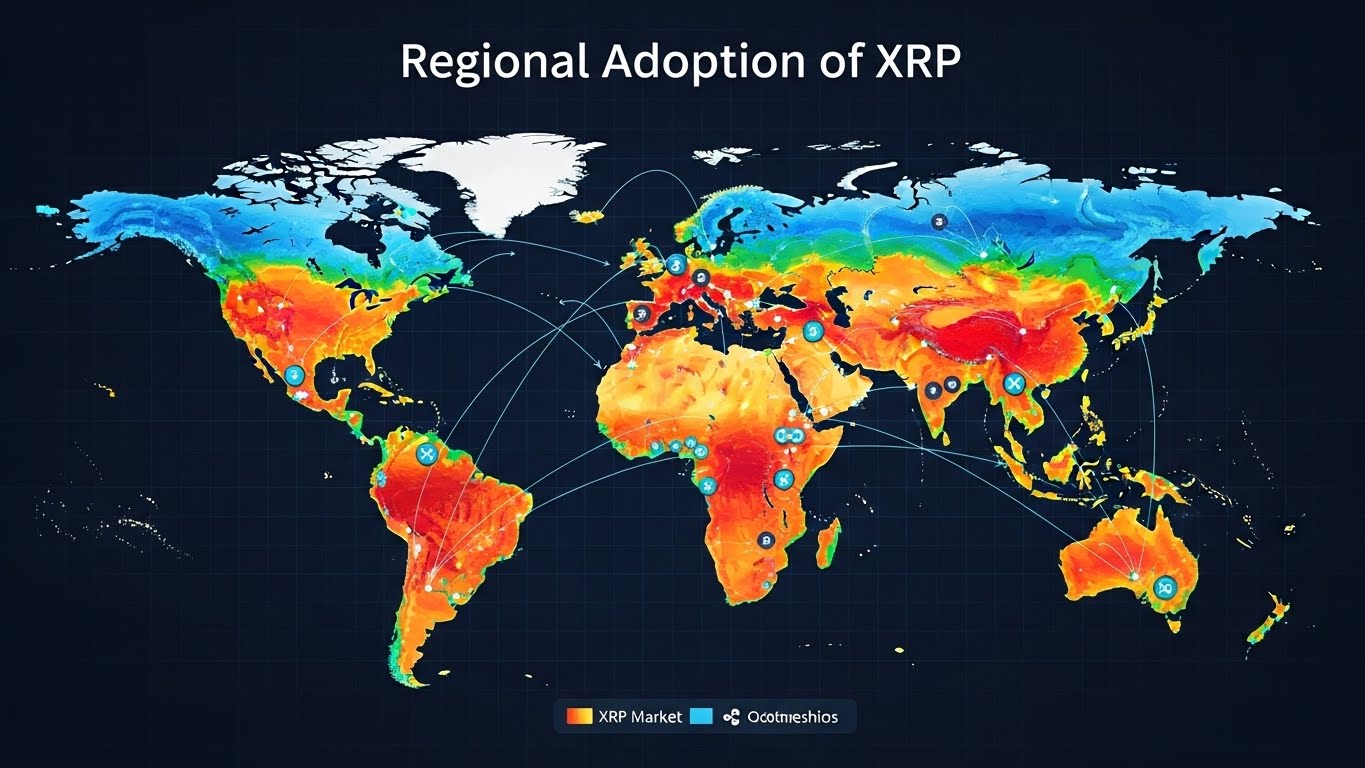
In Asia-Pacific, banks have shown strong interest in Ripple’s solutions due to high cross-border trade and remittance flows. Financial institutions in this region often seek faster settlement times to support international commerce. XRP’s ability to provide liquidity on demand aligns well with these requirements.
In Latin America, XRP adoption is driven largely by remittances and currency volatility. Banks and payment providers in this region benefit from XRP’s speed and cost efficiency, which can significantly reduce transaction expenses for end users. This practical use case strengthens XRP’s position as a functional digital asset.
In Europe and the Middle East, banks have explored Ripple’s technology to modernize their payment systems. While regulatory considerations influence the pace of XRP adoption, interest remains strong due to the potential operational benefits.
XRP Fits Into Modern Banking Infrastructure
To fully understand what banks use XRP, it is important to see how XRP integrates into modern banking workflows. XRP does not replace traditional banking systems; instead, it complements them by providing an efficient settlement layer.
Banks using XRP typically integrate it into their back-end processes rather than exposing it directly to customers. Transactions are initiated in fiat currencies, converted into XRP for transfer, and then converted back into the destination currency. This process happens almost instantly, often without the end user even realizing XRP was involved.
This seamless integration is one of XRP’s strengths. It allows banks to benefit from blockchain technology while maintaining familiar customer interfaces. As digital transformation accelerates across the financial sector, such hybrid models are becoming increasingly attractive.
Regulatory Considerations for Banks Using XRP
Regulation plays a crucial role in determining what banks use XRP. Financial institutions operate under strict compliance requirements, and any technology they adopt must align with local and international regulations. XRP’s regulatory status has been a key factor influencing adoption decisions.
Banks tend to be cautious, adopting XRP primarily in jurisdictions where regulatory clarity exists or is improving. Clear guidelines reduce risk and encourage experimentation with blockchain-based solutions. As regulatory frameworks evolve, more banks may feel confident integrating XRP into their operations.
Compliance with anti-money laundering and know-your-customer standards is another critical factor. XRP transactions on Ripple’s network are designed to support transparency and traceability, which aligns with banking compliance needs. This compatibility strengthens XRP’s appeal to regulated institutions.
XRP vs Traditional Cross-Border Payment Systems
Comparing XRP-based solutions with traditional systems helps clarify why banks are interested. Traditional cross-border payments rely on multiple intermediaries, each adding time and cost to the process. Settlement can take days, and fees can be unpredictable.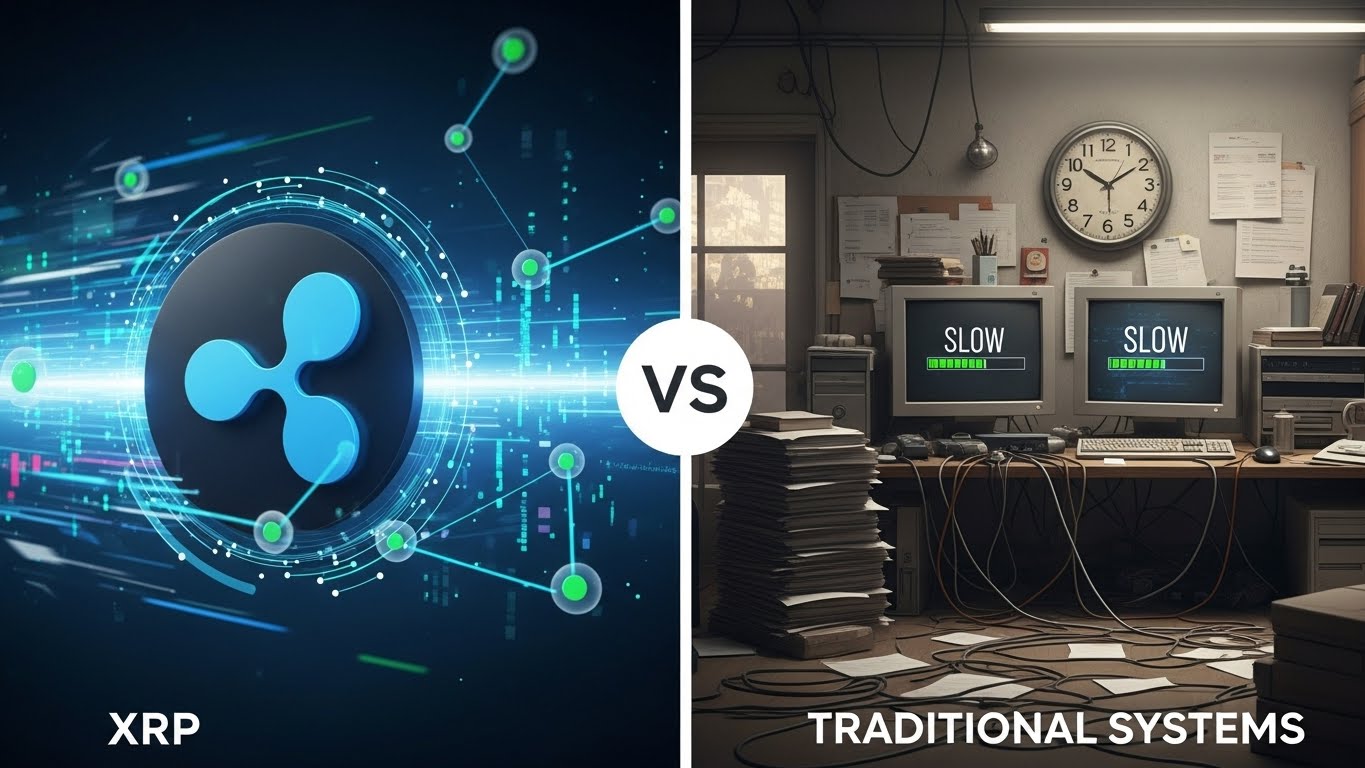
XRP-based payments, by contrast, offer near-instant settlement and lower transaction costs. This efficiency is particularly valuable for banks handling high volumes of international transfers. When asking what banks use XRP, it becomes clear that those facing the greatest inefficiencies in traditional systems are often the most eager to adopt innovative solutions.
The ability to operate 24/7 without reliance on intermediary banking hours is another advantage. XRP transactions can be processed at any time, providing flexibility that traditional systems struggle to match.
The Future of Banks Using XRP
The future outlook for what banks use XRP depends on several factors, including regulatory developments, market demand, and technological advancements. As global payments continue to evolve, the need for faster and more efficient settlement solutions is likely to grow.
Banks that have already adopted Ripple’s technology may expand their use of XRP as they gain confidence in its reliability and compliance. New institutions may also enter the ecosystem as success stories demonstrate tangible benefits.
XRP’s role in blockchain payments, cross-border transfers, and financial innovation positions it well for continued relevance. While adoption may not be uniform across all regions, the trend toward digital transformation suggests that interest in XRP will persist.
Conclusion
What banks use XRP is a question rooted in the broader transformation of global finance. XRP is not just a digital asset but a functional tool designed to address real-world problems in cross-border payments. While not every bank using Ripple’s technology uses XRP directly, a growing number of financial institutions leverage XRP for on-demand liquidity and efficient settlement.
Banks are drawn to XRP for its speed, cost efficiency, and ability to integrate seamlessly with existing systems. Regional adoption patterns show strong interest where remittances and international trade are most active. As regulatory clarity improves and blockchain technology matures, the list of banks using XRP is likely to expand.
For anyone tracking cryptocurrency adoption beyond speculation, XRP stands out as one of the few digital assets with a clear use case in traditional finance. Understanding what banks use XRP provides valuable insight into how blockchain is reshaping the future of global payments.
FAQs
Q: What banks use XRP directly for cross-border payments?
Banks that use XRP directly are typically those participating in on-demand liquidity solutions, where XRP acts as a bridge currency. These institutions are often located in regions with high remittance volumes and benefit from faster settlement and reduced costs.
Q: Do all banks using Ripple also use XRP?
No, not all banks using Ripple’s technology use XRP. Some institutions use RippleNet for messaging and settlement without integrating XRP. XRP usage is optional and depends on the bank’s liquidity strategy and regulatory environment.
Q: Why do banks prefer XRP over traditional settlement methods?
Banks prefer XRP because it enables near-instant settlement, lower transaction fees, and reduced need for pre-funded accounts. These advantages help banks improve efficiency and free up capital for other uses.
Q: Is XRP used by large global banks or mainly regional institutions?
XRP is used by a mix of regional banks, payment providers, and some larger institutions. Regional banks and remittance-focused providers often adopt XRP more quickly due to immediate operational benefits.
Q: Will more banks use XRP in the future?
The likelihood of more banks using XRP depends on regulatory clarity and demonstrated success of existing implementations. As blockchain adoption grows and compliance frameworks mature, more banks may explore XRP-based solutions for cross-border payments.